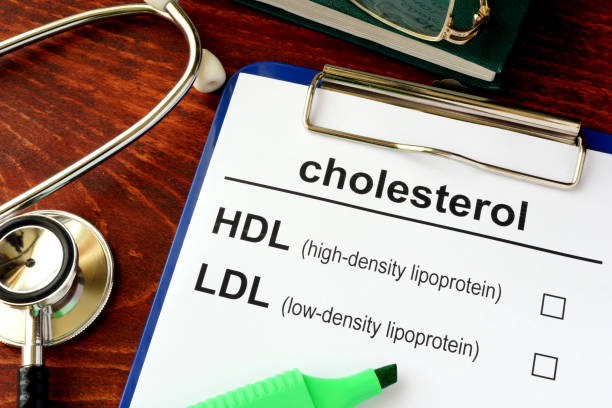
When you hear the word cholesterol, what pops into your mind? Probably something scary like blocked arteries or a doctor side-eyeing you over your last butter-loaded paratha. Generally, your liver is already making all the cholesterol you need, but we tend to pile on more through food (meat, cheese, fried goodness). But do you know, cholesterol is not entirely harmful. In fact, it plays an important role in the body.
What is the Function of Cholesterol?
Before we look at “good” versus “bad” cholesterol, it helps first to understand why cholesterol exists in the body.
Cholesterol is a type of lipid (fat-like substance) that your body uses to build cells, produce hormones, and create vitamin D. Cholesterol is not simply “good” or “bad.” It plays multiple roles that help your body function smoothly, like:
Builds Cell Membranes:
Cholesterol helps form the protective outer layer of cells, keeping them strong and stable. It is like the bricks in the walls, sturdy, protective, keeping everything together. Without it, your “house” would collapse.
Produces Hormones (e.g., testosterone, estrogen):
Your mood swings, energy levels, and even your dating app confidence? Yep, cholesterol helps make the hormones behind all that. From testosterone to estrogen, cholesterol is basically the raw material for your body’s hormone factory. No cholesterol = serious production shutdown.
Produces Bile Acids for Digestion:
Ever wondered how your body digests that plate of greasy biryani? Cholesterol helps produce bile acids that digest fats like a pro.
Helps Synthesize Vitamin D:
When your skin is exposed to sunlight, cholesterol is converted into vitamin D, which is essential for bone health and immunity.
Maintains Skin Barrier Integrity:
Dry, flaky skin? Cholesterol helps keep your skin barrier strong and hydrated and protects against environmental damage.
Types of Cholesterol in the Human Body and How They Work
Now that we know why cholesterol matters, let’s look at the different forms it takes in the body.
Cholesterol is an important component of the human body, serving various functions such as hormone production, the digestion of fats, and the formation of cell membranes. However, not all types of cholesterol are equal. That’s why understanding the different types of cholesterol in the human body and how they work is crucial for maintaining good health.
LDL – “Bad” Cholesterol
- LDL is also known as “bad” cholesterol. Too much LDL dumps cholesterol in your arteries, forming plaque. It’s like junk emails piling up until your inbox crashes.
HDL – “Good” Cholesterol
- HDL (high-density lipoprotein) is “good” cholesterol that acts as a cleaner. It collects excess cholesterol and transports it back to the liver for removal, lowering the risk of artery blockage.
Triglycerides
- These are another type of fat floating around in your blood. High levels, especially when combined with low HDL or high LDL, can increase the risk of heart disease
Comparison Chart: HDL vs LDL vs Triglycerides
Understanding how different types of cholesterol work is key to good health and lowering heart disease risk. Here’s a quick comparison chart of HDL, LDL, and triglycerides for clarity.
| Type | Nickname | What It Does | Why You Should Care | Everyday Analogy | Healthy Range (mg/dL) |
| LDL (Low-Density Lipoprotein) | “Bad” Cholesterol | Carries cholesterol and drops it off in the artery walls. Too much = plaque party | High levels can clog arteries and increase the risk of heart disease | Like junk mail piling up until your mailbox bursts |
|
| HDL (High-Density Lipoprotein) | “Good” Cholesterol | Scoops up excess cholesterol and takes it back to the liver for clean-up | Higher levels = better protection for your heart | Garbage truck clearing the yard after a party |
|
| Triglycerides | Energy Storage Fat | Stores excess calories in your bloodstream as fat | High levels (esp. with low HDL or high LDL) fuel plaque and BP drama | Leftover pizza boxes stacking up when you skip the cleanup |
|
What Do Blood Cholesterol Numbers Mean?
Cholesterol levels are like exam scores, which tell you where you stand. Blood test results show cholesterol levels in milligrams per decilitre (mg/dL). Here is a quick cheat sheet:
Total Cholesterol
- Desirable: < 200 mg/dL
- Borderline high: 200–239 mg/dL
- High: > 240 mg/dL
LDL (“Bad” Cholesterol)
- < 100 mg/dL (low-risk individuals)
- < 70 mg/dL (high-risk individuals)
HDL (“Good” Cholesterol)
- Ideal: > 60 mg/dL
Triglycerides
- < 150 mg/dL
How Blood Pressure Relates to Cholesterol
Blood pressure and cholesterol are like frenemies; they don’t always hang out, but when they do, trouble brews.
Blood Pressure Basics
- Normal: 120/80 mmHg
- Systolic vs. Diastolic explained: Blood pressure is measured as systolic (the pressure when the heart pumps) over diastolic (the pressure when the heart relaxes). When arteries are narrowed by cholesterol deposits, the heart must work harder to push blood through. This raises blood pressure, putting extra strain on the cardiovascular system.
What is a Healthy Blood Cholesterol Level?
Maintaining healthy cholesterol levels is not about restricting food or cutting out fats altogether, but it is all about balance. As highlighted above, aim for:
- Total cholesterol: under 200 mg/dL
- LDL: under 100 mg/dL
- HDL: 60 mg/dL or higher
- Triglycerides: under 150 mg/dL
Knowing numbers is only half the story. But the real question is, how do you maintain this in everyday life? That’s where simple dietary choices can make a lasting difference.
Dietary Tips for Heart Health
Low-Sodium Diet Foods:
- Fresh fruits & vegetables
- Whole grains
- Lean proteins
- Low-fat dairy
Foods to Avoid:
- Processed foods
- High-sodium snacks
- Fried/fast food
Conclusion
Cholesterol isn’t simply “good” or “bad.” It is important for life, but harmful when unbalanced. Knowing your numbers, eating mindfully, staying active, and getting regular check-ups can help. Management isn’t about avoiding favourite foods forever, but about building balanced habits that support long-term heart health.
FAQs on Blood Cholesterol
-
What is the normal level of cholesterol?
Typically, less than 200 mg/dL is considered normal. But “normal” can vary, and your doctor might set a different target based on your lifestyle or health risks.
-
What food is bad for cholesterol?
Foods loaded with saturated or trans fats, like fried chicken, processed snacks, or pastries, can raise LDL. Better to swap them with grilled options, whole grains, and yes, more veggies.
-
How can I check my cholesterol at home?
Home testing kits are available and can provide basic readings. However, professional lab tests are more accurate and recommended for a complete picture.
-
Can fasting cure high cholesterol?
Fasting can help with weight and sugar control, but it’s no magic cure for cholesterol. In fact, extreme crash diets may lower your “good” HDL, which isn’t what you want. Sustainable eating > quick fixes.
-
Does sodium affect cholesterol?
Salt doesn’t raise cholesterol directly, but it does spike blood pressure. Pair high sodium with high cholesterol, and your heart’s juggling too much. Cutting back keeps arteries smoother and BP meltdowns in check.
-
Can I lower cholesterol naturally?
Yes – move daily, eat fibre-rich foods, swap fried for nuts, cut sugary drinks, and manage stress. Small, consistent tweaks boost HDL, lower LDL, and triglycerides without relying solely on medication.
-
How often should I get my cholesterol checked?
Most adults: every 4 to 6 years. More often if you’ve got risks, family history, high BP, diabetes, or a fast-food lifestyle. Early checks in your 20s can help dodge surprise heart-health drama later.
Disclaimer
The information contained in this article is to educate, spread awareness in relation to hypertension and other diseases to the public at large. The contents of this article are created and developed by BPinControl.in through its authors, which has necessary, authorisations, license, approvals, permits etc to allow usage of this articles on The Website. The views and opinions expressed in this article are views, opinions of the respective authors and are independently endorsed by doctors. Although great care has been taken in compiling and checking the information in this article, The Website shall not be responsible, or in any way liable for any errors, omissions or inaccuracies in this article whether arising from negligence or otherwise, or for any consequences arising therefrom. The content of this article is not a substitute for any medical advice. The Website shall not be held responsible or liable for any consequence arising out of reliance on the information provided in the article.