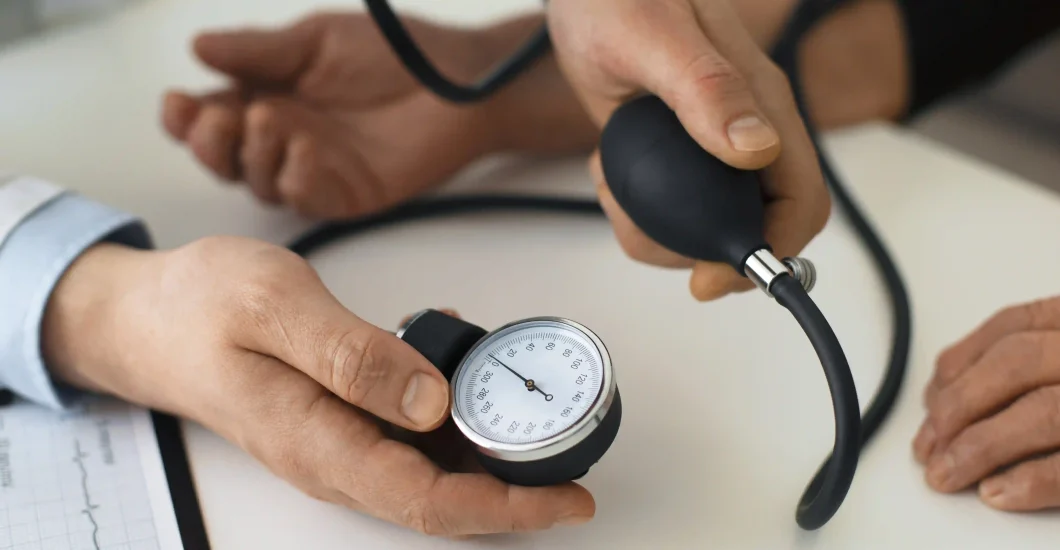
Learn what stage 2 hypertension is, its blood pressure range, symptoms, causes, risks and treatment options. Understand stage 2 blood pressure and how early monitoring and lifestyle changes can help protect heart health.
What Is Stage 2 Hypertension? Definition, Symptoms and Treatment Guide
Introduction to Stage 2 Hypertension
Your blood pressure can rise for years without making any noise. No alarms. No clear warning signs. Yet behind the scenes, the heart and blood vessels may already be under growing strain.
When these numbers stay consistently high, the condition moves into a more serious category within the hypertension classification known as stage 2 hypertension. Understanding what is stage 2 blood pressure, recognising stage 2 hypertension symptoms, and knowing the right stage 2 hypertension treatment can help people take timely steps to protect their health.
Define Stage 2 Hypertension
So, let’s clearly define stage 2 hypertension. Stage 2 hypertension is a condition where blood pressure consistently reaches 140/90 mmHg or higher. These readings indicate that the pressure inside the arteries is high enough to place additional strain on the heart and blood vessels.
Blood pressure readings include two numbers:
- Systolic pressure (top number): pressure when the heart pumps blood
- Diastolic pressure (bottom number): pressure when the heart rests between beats
When either of these numbers stays too high for too long, it places extra strain on the heart, arteries, brain, and kidneys. This is why stage 2 hypertension is considered a condition that typically requires active treatment and monitoring.
Hypertension Classification Explained
Doctors don’t just label blood pressure as “high” or “normal.” They divide it into categories called hypertension classification. And these levels are usually divided into five main categories:
-
- Normal blood pressure: Below 120/80 mmHg
- Elevated blood pressure: Systolic between 120 – 129 and diastolic below 80
- Stage 1 hypertension: Systolic between 130 – 139 or diastolic between 80 – 89
- Stage 2 hypertension: Systolic 140 or higher or diastolic 90 or higher
- Hypertensive Crisis: Systolic 180 or higher and/or diastolic 120 or higher.
The higher the stage, the higher the risk of long-term damage.
Stage 2 Blood Pressure Range
A common question people ask is: What is stage 2 blood pressure exactly?
The stage 2 blood pressure range is defined as:
- Systolic: 140 mmHg or higher
- Diastolic: 90 mmHg or higher
Examples of stage 2 blood pressure readings include numbers such as 145/92, 150/95, or 160/100.
If readings stay in this range across multiple measurements, doctors will typically diagnose stage 2 hypertension. One isolated reading isn’t enough. Stress, caffeine, or even rushing up stairs can temporarily spike BP. That’s why monitoring patterns matters more than one dramatic number.
Stage 2 Hypertension Symptoms
Most people with stage 2 hypertension symptoms feel nothing at all. That’s why doctors call it the “silent condition.”
In some cases, however, individuals may experience symptoms such as:
- Frequent headaches
- Dizziness
- Shortness of breath
- Chest discomfort
- Blurred vision
- Nosebleeds in severe cases
But these usually appear only when pressure becomes very high.
What Causes Stage 2 Hypertension?
Stage 2 hypertension rarely has a single cause. Instead, it’s usually a mix of everyday habits and genetics.
Common causes include:
- Family history of hypertension
- Excess salt consumption
- Lack of physical activity
- Smoking
- Obesity
- Chronic stress
- High alcohol intake
Age can also play a role. As people grow older, blood vessels naturally lose some of their elasticity, which can increase blood pressure over time.
Difference Between Pulmonary and Systemic Hypertension
While most discussions focus on blood pressure in the body’s main arteries, there are different forms of hypertension.
Most people refer to systemic hypertension, which affects the arteries throughout the body.
But there’s another type called pulmonary hypertension, which affects the arteries in the lungs and the right side of the heart. It’s rarer and has a completely different cause and treatment plan.
So while both involve pressure in blood vessels, they affect different parts of the circulation system.
WHO Pulmonary Hypertension Groups
Doctors use a specific pulmonary hypertension classification developed by the World Health Organization.
This system divides pulmonary hypertension into five groups based on the underlying cause, such as:
- Pulmonary arterial hypertension
- Pulmonary hypertension caused by left heart disease
- Pulmonary hypertension related to lung diseases
- Pulmonary hypertension caused by chronic blood clots
- Pulmonary hypertension due to unclear or complex causes
This classification helps doctors choose the most appropriate treatment approach..
Risks and Complications of Stage 2 Hypertension
If stage 2 hypertension remains untreated, prolonged pressure can damage organs like the heart, brain, and kidneys.
Over time, this may increase the risk of:
- Heart attack
- Stroke
- Kidney disease
- Vision problems
- Heart failure
- Cognitive decline
The key point here is not to panic. It’s prevention. Managing blood pressure early dramatically lowers these risks.
Stage 2 Hypertension Treatment
Effective stage 2 hypertension treatment generally involves a combination of medication and lifestyle modifications.
Doctors may prescribe medications such as:
- ACE inhibitors
- Calcium channel blockers
- Diuretics
- Angiotensin receptor blockers
These medications help relax blood vessels, reduce fluid retention, or improve blood flow.
Alongside medication, lifestyle adjustments can make a big difference, like reducing salt intake, increasing physical activity, maintaining a healthy weight, limiting alcohol consumption, and managing stress.
Together, these strategies help lower stage 2 blood pressure and protect long-term cardiovascular health.
How to Monitor Stage 2 Blood Pressure at Home?
Home monitoring has become incredibly useful. A simple digital BP monitor can help track trends over time.
For accurate results:
- Measure blood pressure at the same time each day
- Sit calmly for several minutes before checking
- Keep the arm supported at heart level
Record the numbers regularly. Doctors love patterns. One random reading tells only half the story
When to See a Doctor
You should consult a doctor if:
- Blood pressure readings stay above 140/90
- You experience chest pain or severe headaches
- Home readings remain high for several days.
Early medical advice can prevent long-term complications.
Frequently Asked Questions (FAQs)
What is stage 2 hypertension?
Stage 2 hypertension is a condition where blood pressure consistently measures 140/90 mmHg or higher, indicating a more serious level of high blood pressure.
What blood pressure is considered stage 2 hypertension?
Blood pressure readings of 140/90 mmHg or higher fall within the stage 2 blood pressure range.
Can stage 2 hypertension be reversed?
While it may not always be completely reversed, blood pressure can often be significantly reduced through medication, diet changes, weight management, and regular exercise.
Is stage 2 hypertension dangerous?
If untreated, it can increase the risk of heart disease, stroke, kidney damage, and other complications.
What is the treatment for stage 2 hypertension?
Treatment typically involves prescribed medications along with lifestyle changes such as improved diet, regular exercise, and reduced salt intake.
What lifestyle changes help control stage 2 hypertension?
Maintaining a healthy weight, exercising regularly, limiting alcohol, reducing salt, and managing stress can help control blood pressure.
What is the difference between stage 1 and stage 2 hypertension?
Stage 1 hypertension begins at 130/80 mmHg, while stage 2 hypertension starts at 140/90 mmHg or higher, making it a more advanced stage.
Conclusion
Understanding stage 2 hypertension is an important step toward protecting long-term health.
Although high blood pressure may not always produce noticeable symptoms, consistent monitoring and early intervention can make a significant difference. With appropriate stage 2 hypertension treatment, healthy lifestyle choices & regular medical guidance, most people can successfully manage their blood pressure and reduce the risk of serious complications.
Disclaimer
The information contained in this article is to educate, spread awareness in relation to hypertension and other diseases to the public at large. The contents of this article are created and developed by BPinControl.in through its authors, which has necessary, authorisations, license, approvals, permits etc to allow usage of this articles on The Website. The views and opinions expressed in this article are views, opinions of the respective authors and are independently endorsed by doctors. Although great care has been taken in compiling and checking the information in this article, The Website shall not be responsible, or in any way liable for any errors, omissions or inaccuracies in this article whether arising from negligence or otherwise, or for any consequences arising therefrom. The content of this article is not a substitute for any medical advice. The Website shall not be held responsible or liable for any consequence arising out of reliance on the information provided in the article.