Learn the 7 tricks to lower blood pressure, a simple breathing method that helps calm stress-related spikes. Discover practical tricks to lower blood pressure quickly and support healthier heart habits naturally.
What Is the 7 Second Trick to Lower Blood Pressure?
We have all had those moments. A stressful email arrives, your boss calls unexpectedly, or the phone buzzes with urgent family drama. Suddenly, your body feels tense, and your blood pressure may rise. High blood pressure often shows up quietly, but stress can trigger sudden spikes.
This is why many people look for quick ways to calm the body. One method gaining attention is the 7 second trick to lower blood pressure, a simple breathing technique based on how our body responds to stress. Let’s understand how it works.
Understanding High Blood Pressure and Why It Spikes
Blood pressure is not constant throughout the day, and understanding blood pressure levels can help identify early warning signs. It naturally rises & falls depending on what your body is doing.
Physical activity, stress, caffeine, lack of sleep, and salty foods can all push it higher for short periods.
When stress happens, the body releases hormones such as adrenaline. These hormones make your heart beat faster and cause blood vessels to tighten. As a result, pressure inside the arteries increases.
In a similar way, narrowed blood vessels create higher pressure in the bloodstream.
Because stress is one of the biggest triggers, relaxation techniques are often recommended as simple tricks to lower blood pressure.
What Is the 7 Second Trick to Lower Blood Pressure?
The technique is a controlled breathing exercise. You take a slow breath through your nose for about seven seconds and then slowly exhale through your mouth. This longer exhalation signals the body to relax, helping the nervous system shift away from the stress response and move toward a calmer state.
While it is not a permanent solution for hypertension, it can be one of the easiest blood pressure tricks to try during stressful moments.
How the 7 Second Blood Pressure Trick Works
Stress activates the body’s fight-or-flight response while releasing adrenaline & cortisol that tighten blood vessels and raise heart rate. The 7 second trick to lower blood pressure works by stimulating the vagus nerve, which activates the parasympathetic “rest and digest” system.
Slow breathing, especially a longer exhale, relaxes the nervous system and promotes vasodilation. This calming response may help instantly lower blood pressure slightly when the spike is triggered by stress.
Step-by-Step Guide: How to Perform the 7 Second Trick
Trying the technique is simple and can be done almost anywhere.
Follow these steps:
- Step 1: Sit comfortably and relax your shoulders.
- Step 2: Slowly inhale through your nose for 7 seconds.
- Step 3: Gently exhale through your mouth for 7 seconds.
- Step 4: Repeat this cycle five to ten times.
Keep the breathing slow and natural rather than forced.
Many people notice that within a minute or two, their body begins to feel calmer and more relaxed.
When Should You Use the 7 Second Trick to Lower Blood Pressure?
This isn’t a replacement for your daily medication, but it is a perfect “emergency brake” for specific scenarios.
For example, it can help:
- Before measuring your blood pressure
- During stressful conversations
- After consuming too much caffeine
- When feeling overwhelmed or anxious
In such situations, breathing exercises can work as practical tricks to get blood pressure down by calming the body’s stress response.
However, it is important to remember that breathing techniques are supportive tools, not a substitute for medical treatment.
7 Effective Tricks to Lower Blood Pressure Quickly
If the 7-second rule isn’t enough, here are 7 tricks to lower blood pressure, which can help stabilise your numbers.
1. Practice Slow Breathing Techniques
Controlled breathing remains one of the simplest and most effective blood pressure tricks. Even a few minutes of slow breathing can reduce stress and improve relaxation.
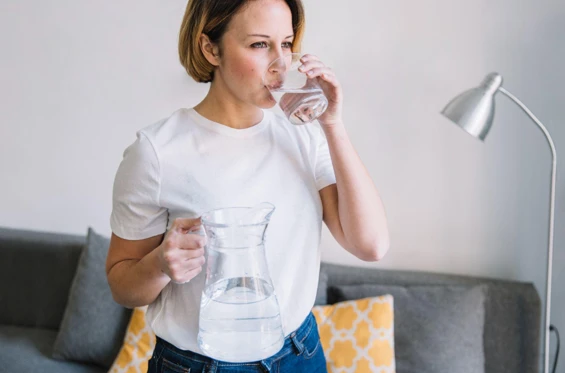
2. Drink a Glass of Water
Dehydration may cause slight increases in blood pressure. And drinking water helps maintain proper circulation and supports normal body function.
3. Reduce Salt Intake Immediately
Excess sodium causes the body to retain water, which increases pressure in the blood vessels. Reducing salty foods can gradually lower blood pressure over time.
4. Take a Short Walk
Light physical activity helps blood vessels relax and improves circulation. And a short walk can also release stress and refresh the mind.
5. Relax With Meditation
Meditation encourages calm breathing & reduces stress signals in the body. Even five minutes of quiet relaxation can make a noticeable difference.
6. Eat Potassium-Rich Foods
Potassium helps to balance sodium levels in the body. Foods such as bananas, spinach, and avocados support healthier blood pressure control.
7. Improve Your Sleep Habits
Sleep is the body’s primary period for cardiovascular repair. Chronic sleep deprivation is closely linked to elevated heart rates and hypertension.
But developing consistent sleep routines is one of the most reliable long-term tricks to lower blood pressure.
Other Proven Ways to Instantly Lower Blood Pressure
Apart from the strategies above, small lifestyle adjustments can also help instantly lower blood pressure in certain situations, like:
- Listening to calming music
- Stretching tight muscles
- Limiting caffeine intake
- Taking short relaxation breaks
Even laughter can improve circulation and reduce stress levels. Sometimes, a relaxed mind can do more for the heart than we realise.
Important Safety Tips Before Trying Blood Pressure Tricks
While these strategies may support heart health, they should not replace medical care. Tricks to lower blood pressure are helpful lifestyle measures, not clinical treatments.
- Medical consultation: Always consult a healthcare professional before changing your cardiovascular care plan.
- Medication adherence: Never stop or adjust prescribed antihypertensive medication without medical advice.
- Emergency awareness: Seek immediate help if you experience shortness of breath, chest pain, extreme dizziness, or numbness.
Regular monitoring & professional guidance remain essential for long-term blood pressure management.
Frequently Asked Questions (FAQs)
Does the 7 Second Trick Really Lower Blood Pressure?
It may help temporarily. Slow breathing relaxes the nervous system, which can reduce stress-related blood pressure spikes.
How Quickly Can You Reduce Blood Pressure Naturally?
Some tricks, like breathing or drinking water, work within minutes but lifestyle changes provide longer-term improvements.
Are Breathing Exercises Safe for People With Hypertension?
Yes. Slow breathing exercises are generally considered safe but always check with your doctor if you have severe hypertension.
What Is the Fastest Way to Lower Blood Pressure at Home?
Calm breathing, relaxation, hydration, and stepping away from stress can help reduce temporary spikes.
Can Stress Cause Sudden Blood Pressure Spikes?
Yes. Stress hormones narrow blood vessels and increase heart rate, which can cause short-term increases in blood pressure.
Conclusion
The 7 second trick to lower blood pressure highlights how powerful simple breathing techniques can be.
By slowing your breath, you help your body move from a stress response to a calmer state. This may reduce tension & support healthier blood pressure levels.
However, lasting results come from consistent habits such as balanced nutrition, regular physical activity, good sleep, and effective stress management.
Used alongside these habits, breathing techniques can become simple yet useful tricks to lower blood pressure whenever stress begins to rise.
Disclaimer
The information contained in this article is to educate, spread awareness in relation to hypertension and other diseases to the public at large. The contents of this article are created and developed by BPinControl.in through its authors, which has necessary, authorisations, license, approvals, permits etc to allow usage of this articles on The Website. The views and opinions expressed in this article are views, opinions of the respective authors and are independently endorsed by doctors. Although great care has been taken in compiling and checking the information in this article, The Website shall not be responsible, or in any way liable for any errors, omissions or inaccuracies in this article whether arising from negligence or otherwise, or for any consequences arising therefrom. The content of this article is not a substitute for any medical advice. The Website shall not be held responsible or liable for any consequence arising out of reliance on the information provided in the article.