Learn how air pollution affects blood pressure. Discover causes, risks and simple tips to protect your heart from high BP due to poor air quality.
Air Pollution and Blood Pressure: Does Air Quality Affect BP?
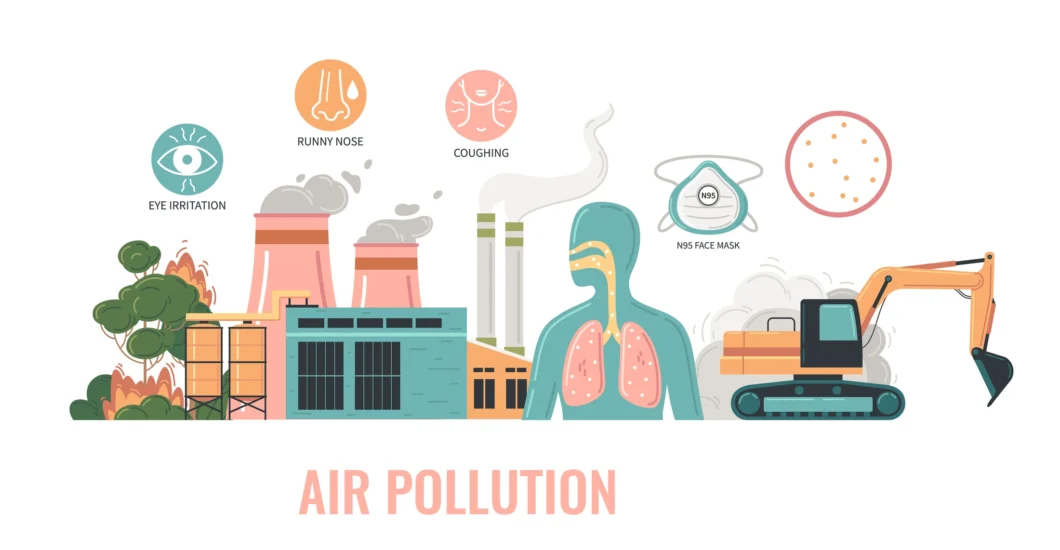
Let’s be honest. We’ve all had those days when the smog is so thick it feels chewable. You walk back home with stinging eyes and a scratchy throat, thinking your lungs are suffering. But do you know, your lungs aren’t the only ones crying for help. Your heart and your arteries are actually caught in the crossfire, too.
We blame salt, stress, and that extra cup of coffee for rising BP. Fair. But we rarely question the air itself. Research now shows that air pollution and blood pressure are closely connected.
So, grab a chai, get comfortable, and let’s break down why the AQI on your phone screen might be just as important as the numbers on your BP monitor.
What Is the Link Between Air Pollution and Blood Pressure?
Your blood pressure is basically the force of blood pushing against your artery walls. When you breathe in clean air, everything moves at a steady pace. But when you’re stuck in a literal cloud of exhaust fumes and dust, it’s like someone dumped a load of gravel onto that highway.
When those tiny pollutant particles (we call them PM2.5) enter your system, your body goes into “red alert” mode. It triggers a stress response that makes your blood vessels tighten up. It’s basically your body’s version of a BP bomb drop, and it’s happening every time you step into heavy traffic.
Can Air Pollution Cause High Blood Pressure?
If you’ve been wondering, “Can pollution cause high blood pressure?” The short answer is a resounding yes. While a single day of bad air might just cause a temporary spike, living in a high-pollution zone is like putting your body through a never-ending stress test.
When you are constantly exposed to “dirty” air, your body stays in a state of high alert. This chronic exposure doesn’t just irritate your throat; it actually remodels your immune system and contributes to chronic pain and hypertension. Over time, this constant “fight or flight” mode can turn a temporary spike into a permanent diagnosis of venous hypertension.
How Does Air Pollution Increase Blood Pressure?
When you inhale pollutants, specifically PM2.5 (particulate matter that’s 30 times thinner than a human hair), they don’t just stay in your lungs. They are small enough to sneak into your bloodstream. Once they’re in, the chaos begins:
- Oxidative Stress: They attack your cells, causing internal “rusting” or damage.
- Systemic Inflammation: Your body treats these particles like an invading virus, causing your blood vessels to swell and narrow.
- Arterial Stiffness: Over time, these pollutants make your blood vessels lose their “stretchiness.
When your pipes (arteries) are stiff and narrow, the pump (your heart) has to push with much more force, and that is exactly how air pollution can cause high blood pressure.
Does Indoor Air Quality Affect Blood Pressure?
You might think, “I’ll just stay inside and scroll my stress away, I’m safe here.” Not quite.
If you’re wondering, does air quality affect blood pressure? Your living room counts too. Indoor air can sometimes be more polluted than outside. Cooking fumes, incense sticks,
cigarette smoke, and even that fancy scented candle can release VOCs (Volatile Organic Compounds) into the air.
Without proper ventilation, you end up breathing a concentrated mix of pollutants. And for someone already dealing with hypertension, this indoor smog can quietly push blood pressure higher.
Who Is Most at Risk from Air Pollution?
While pollution isn’t great for anyone, some people feel it more.
- Older adults: With age, arteries become less flexible. So BP can rise more easily when air quality drops.
- Children: They breathe faster, and their bodies are still growing. That means they inhale more pollution for their size.
- People with heart issues or diabetes: Their system is already under pressure. Pollution adds an extra load.
- Daily commuters: Long hours in traffic mean more exposure. More exposure means higher risk.
Air Pollution in India and Its Impact on Blood Pressure
Let’s talk about the elephant in the room or rather, the smog over the city.
In India, we aren’t just dealing with “a bit of dust.” With many Indian cities frequently topping the global charts for poor AQI, the scale of the problem is massive.
We aren’t just talking about a few thousand people. We are looking at crores of citizens whose cardiovascular health is being compromised by the seasonal smog. In many regions, the “winter peak” in pollution correlates directly with a rise in hospital visits for hypertensive crises. It is a silent tax on the health of the nation, often hitting the hardest-working urban populations the hardest.
How to Protect Yourself from Air Pollution and High Blood Pressure
You aren’t helpless. You can’t change the city’s air overnight, but you can create a “safety bubble” for your heart with a few smart moves:
- Monitor the AQI: Make it a habit to check the air quality index before your morning walk. If it’s in the red, take your workout to the gym or do some yoga at home.
- Purify Your Space: A high-quality air purifier with a HEPA filter is no longer a luxury; for someone with BP concerns, it’s a health essential.
- Mask Up Strategically: A regular cloth mask won’t stop PM2.5. If you’re in heavy traffic, use an N95 mask to keep those micro-particles out of your blood.
- Dietary Defense: Load up on antioxidants like Vitamin C and E. Think of them as an internal shield that mops up the mess pollution leaves behind.
Conclusion
At the end of the day, your environment is just as much a part of your “health kit” as your diet and exercise. While we can’t always control the smoke from a nearby factory or the exhaust from a passing truck, being aware that does air quality affect blood pressure is the first step toward protection.
You need to stay informed, keep your indoor air fresh, and don’t let the smog get to your heart.
Frequently Asked Questions
Can air pollution raise blood pressure immediately?
Yes, a few hours of exposure to high traffic pollution can cause a measurable spike in blood pressure as your blood vessels constrict.
Which pollutants affect blood pressure the most?
Fine particulate matter (PM2.5) and Nitrogen Dioxide (NO2) from vehicle exhaust are the biggest culprits when it comes to messing with your cardiovascular health.
Is indoor air pollution harmful for blood pressure?
Definitely. Poor ventilation and indoor pollutants like cooking smoke or tobacco can be just as damaging as outdoor smog for your blood pressure.
Can air purifiers help reduce blood pressure risk?
Yes! By filtering out the fine particles that cause systemic inflammation, a good air purifier allows your cardiovascular system to “relax” while you’re at home.
How can I protect myself from pollution-related hypertension?
Check the AQI daily, use N95 masks during peak pollution, invest in an air purifier, and include plenty of antioxidant-rich foods in your diet to counter the effects.
Disclaimer
The information contained in this article is to educate, spread awareness in relation to hypertension and other diseases to the public at large. The contents of this article are created and developed by BPinControl.in through its authors, which has necessary, authorisations, license, approvals, permits etc to allow usage of this articles on The Website. The views and opinions expressed in this article are views, opinions of the respective authors and are independently endorsed by doctors. Although great care has been taken in compiling and checking the information in this article, The Website shall not be responsible, or in any way liable for any errors, omissions or inaccuracies in this article whether arising from negligence or otherwise, or for any consequences arising therefrom. The content of this article is not a substitute for any medical advice. The Website shall not be held responsible or liable for any consequence arising out of reliance on the information provided in the article.