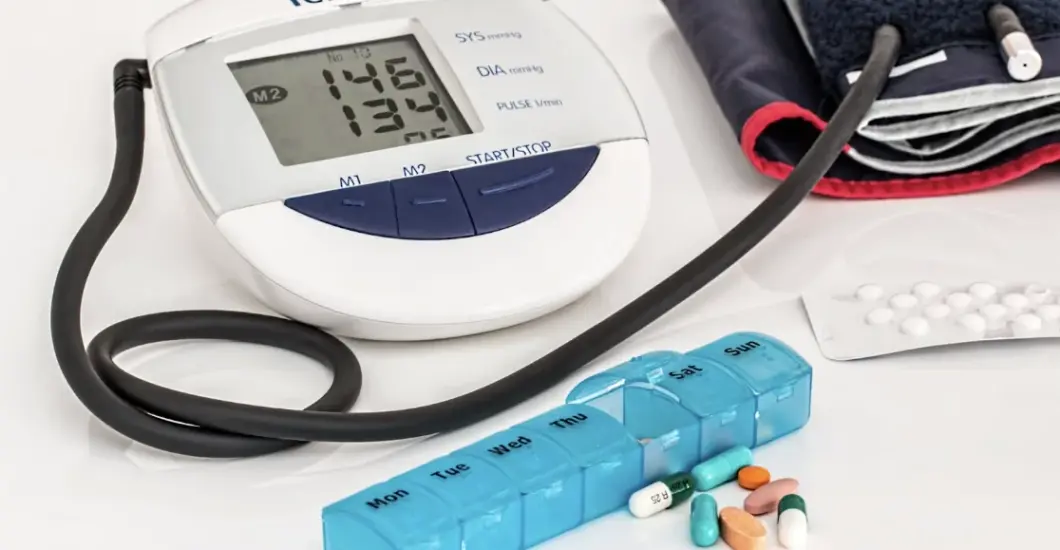
High blood pressure and vitamin D deficiency are like that uninvited duo at a house party, showing up together far too often. While vitamin D is often associated with bones and immunity, its role in blood pressure regulation is now gaining serious attention. Together, vitamin D deficiency and hypertension form a health pairing that many people live with unknowingly.
Let’s walk through how these two connect, what signs to watch for, and how you can protect both your vitamin D levels and your blood pressure without turning your routine upside down.
Understanding the Link Between Vitamin D and Blood Pressure
Before diving into causes and symptoms of high BP, it helps to understand why vitamin D matters so much for your heart and blood vessels in the first place.
How Vitamin D Supports Vascular and Heart Function?
Vitamin D keeps blood vessels flexible, like well-oiled pipes instead of rusty ones. It supports healthy calcium flow and smooth heart contractions, so blood moves with less resistance and your heart doesn’t have to work overtime to control pressure.
Why Low Vitamin D Levels Can Increase Blood Pressure?
Problems begin when vitamin D levels drop. Low vitamin D can overstimulate the renin-angiotensin system, the same system that narrows blood vessels during stress. When this system becomes overactive, blood vessels tighten, and pressure rises.
This is why research continues to explore vitamin D in hypertension as more than a coincidence. The connection is physiological, not just statistical.
Risk Factors for Deficiency in People with Hypertension
People with high blood pressure face a higher risk of vitamin D deficiency because of indoor routines, ageing, higher body fat, and long-term medication use. The risk increases further with obesity, diabetes, darker skin tones, air pollution, and certain BP medicines.
Causes of Vitamin D Deficiency in Hypertensive Individuals
It’s not always one single reason; usually, it’s modern life and biological factors that contribute to low levels of the vitamin in hypertensive patients.
Limited Sun Exposure
Your skin makes vitamin D from UVB sunlight, but modern life keeps you mostly indoors. Office hours, sunscreen, pollution, and covered clothing limit production. With age, skin becomes even less so hypertensive seniors remain at higher risk, even with some sun exposure.
Lifestyle and Dietary Gaps
Diet also plays a role, though fewer foods naturally contain vitamin D. Fatty fish, egg yolks, and fortified milk products help, but many everyday diets fall short. When poor nutrition combines with limited sun exposure, vitamin D deficiency blood pressure risks rise steadily.
Age-Related and Medical Factors
With age, both skin production and kidney activation of vitamin D slow down. Certain medical conditions, such as kidney disease, digestive disorders, and long-term steroid use, further interfere with absorption and conversion. In hypertensive patients, this creates a layered challenge.
Symptoms and Indicators of Low Vitamin D Levels
Early Physical Signs
Many people notice vague symptoms such as persistent fatigue, muscle aches, low immunity, and frequent illness. These signs rarely feel dramatic enough to trigger medical attention, which is why the deficiency often remains undetected for years.
Overlapping Symptoms with Hypertension
To complicate matters, low vitamin D and high blood pressure share several overlapping symptoms like headaches, dizziness, weakness, and brain fog. Some individuals even experience episodes of low vitamin D and low blood pressure, particularly when dehydration or medication adjustments are involved.
When to Consider Testing?
Testing becomes especially important if you have hypertension and notice ongoing fatigue, muscle pain, low mood, or frequent infections. A simple blood test can clarify the picture and remove all guesswork.
Health Risks of Combining Hypertension with Vitamin D Deficiency
Having both low Vitamin D and high BP is like giving two uninvited guests a shared key to your house. They can cause chaos together.
Impact on Cardiovascular Health
Low vitamin D is associated with stiffer arteries and reduced heart efficiency. Over time, this increases the workload on the heart and raises the risk of heart disease, stroke, and vascular damage.
Role in Chronic Inflammation
Vitamin D is a clever little anti-inflammatory agent. Chronic hypertension usually involves low-grade, persistent inflammation in the blood vessels. If your Vitamin D is low, you are losing a key player in fighting that inflammation.
Increased Risk of Metabolic Complications
The combination of hypertension and low vitamin D is also linked with insulin resistance, weight gain, and unhealthy lipid profiles. These metabolic shifts further strain the cardiovascular system, turning one issue into several.
Prevention and Management Strategies
Fortunately, supporting vitamin D levels and blood pressure often involves the same practical lifestyle habits.
Safe Sun Exposure Habits
Short, regular exposure to sunlight remains one of the most effective natural strategies. About 10–25 minutes of midday sun on uncovered arms and face, several times a week, is sufficient for many people without risking skin damage.
Dietary Sources and Supplement Options
Vitamin D-rich foods like fatty fish, egg yolks, mushrooms, and fortified dairy can strengthen daily intake. When deficiency is confirmed, supplements may be prescribed in safe, controlled doses. Self-prescribing high doses is never advisable.
Lifestyle Practices for Better BP and Vitamin D Levels
Small habits create a big impact when practised consistently:
- Daily outdoor walks for movement and sunlight
- Resistance training for metabolic support
- Stress management to prevent BP spikes
- Quality sleep to stabilise hormones
Consistency can beat intensity when it comes to long-term heart health.
When to Seek Medical Evaluation?
Recommended Screening for High-Risk Groups
Routine vitamin D screening helps if you’ve had hypertension for years, are older, have kidney issues, get little sun, have darker skin, or deal with malabsorption or if long-term medications may be messing with your vitamin D levels.
Interpreting Vitamin D Test Results
Doctors assess vitamin D status using a blood test called serum 25-hydroxyvitamin D, with levels typically classified as:
- Below 20 ng/mL: Deficient
- 20–30 ng/mL: Insufficient
- 30–50 ng/mL: Optimal
Treatment Plans Tailored to Hypertensive Patients
Treatment plans consider existing blood pressure medication, kidney function, calcium levels and overall cardiovascular risk. The goal is not just normalising vitamin D but doing so in a way that actively supports blood pressure stability.
Conclusion
Vitamin D deficiency and hypertension often move together silently, gradually increasing cardiovascular risk without obvious warning signs. With sensible sun exposure, balanced nutrition, timely testing, and steady lifestyle habits, both conditions can be managed effectively.
Sometimes, the most powerful medicine really is a little sunshine paired with awareness and consistency.
Disclaimer
The information contained in this article is to educate, spread awareness in relation to hypertension and other diseases to the public at large. The contents of this article are created and developed by BPinControl.in through its authors, which has necessary, authorisations, license, approvals, permits etc to allow usage of this articles on The Website. The views and opinions expressed in this article are views, opinions of the respective authors and are independently endorsed by doctors. Although great care has been taken in compiling and checking the information in this article, The Website shall not be responsible, or in any way liable for any errors, omissions or inaccuracies in this article whether arising from negligence or otherwise, or for any consequences arising therefrom. The content of this article is not a substitute for any medical advice. The Website shall not be held responsible or liable for any consequence arising out of reliance on the information provided in the article.