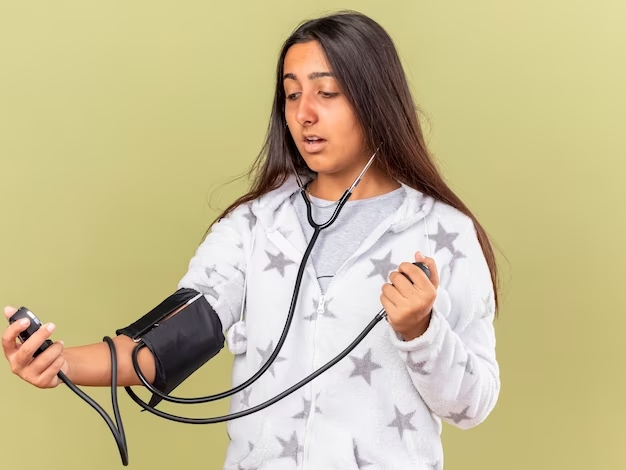
When your heart beats, it undergoes a cardiac cycle involving two phases – the systolic phase, when the heart contracts to pump blood out, and the diastole phase, when the heart relaxes after contraction. The force of blood pushing against the artery walls is the blood pressure, and when this pressure is high, it leads to high blood pressure, also known as hypertension.
Isolated Systolic Hypertension
The normal systolic blood pressure when the blood is ejected into the arteries is 120mmHg, and the diastolic blood pressure exerted within arteries between heartbeats is 80mmHg. The condition where the systolic blood pressure rises but the diastolic blood pressure remains within an acceptable range is known as isolated systolic hypertension. This kind of high blood pressure is a common occurrence in individuals over 65 years of age.
Therefore, the systolic number can be higher than 130 millimetres of mercury, while the diastolic number is lower than 90 millimetres of mercury.
Causes and risk factors for isolated systolic hypertension
The symptoms of hypertension do not display any warning signs. They are not easily detected, and, therefore, often go unnoticed. The same goes for isolated systolic hypertension. Untreated isolated systolic hypertension can cause –
- Chest pain
- Headache
- Blurry vision
- Shortness of breath
- Chronic kidney disease
- Peripheral artery disease
- Aneurysm (a bulge in the artery walls which can cause it to rupture possibly)
Some factors that cause this condition include –
- Diabetes
- Obesity or having a higher body mass index (BMI)
- An overactive thyroid gland (Hyperthyroidism)
- Atherosclerosis or artery stiffness. Calcium and collagen deposits in the arteries prevent them from expanding or contracting as they did at a younger age
- Heart valve disease
- Consuming food containing excess amounts of salt and fat
- Leading a sedentary lifestyle
Prolonged high systolic blood pressure can increase the risk of cardiovascular diseases, strokes, and kidney diseases.
Management and treatment options
The symptoms of isolated systolic hypertension are not always noticeable. Therefore, it is necessary to check your blood pressure regularly and visit a healthcare professional for a regular checkup. Medications such as angiotensin receptor blockers (ARBs) and angiotensin-converting enzyme (ACE) inhibitors block the formation of a specific enzyme that narrows blood vessels. Other effective medications may also include calcium channel blockers, which help the artery walls relax, and Thiazide-like diuretics that help kidneys get rid of excess sodium and water.
In addition to health expert-recommended medications, making lifestyle changes can aid in improving the systolic blood pressure reading. Some crucial changes include –
- Regularly exercising and staying active
- Consuming a healthy DASH (Dietary Approaches to Stop Hypertension) diet and avoiding junk and fast foods
- Maintaining a healthy weight
- Staying hydrating
- Avoiding harmful habits, such as smoking and drinking
- Leading a stress-free lifestyle with the help of mindfulness meditation, yoga, or journalling – any activity that can help channel negative thoughts
Conclusion
Your heart health matters. Therefore, it is essential to maintain a healthy lifestyle, so your systolic and diastolic blood pressure levels are balanced. Discover more information with BP in Control’s online portal. Find expert physicians ensuring early diagnosis and personalised intervention for health conditions.
Disclaimer
The information contained in this article is to educate, spread awareness in relation to hypertension and other diseases to the public at large. The contents of this article are created and developed by BPinControl.in through its authors, which has necessary, authorisations, license, approvals, permits etc to allow usage of this articles on The Website. The views and opinions expressed in this article are views, opinions of the respective authors and are independently endorsed by doctors. Although great care has been taken in compiling and checking the information in this article, The Website shall not be responsible, or in any way liable for any errors, omissions or inaccuracies in this article whether arising from negligence or otherwise, or for any consequences arising therefrom. The content of this article is not a substitute for any medical advice. The Website shall not be held responsible or liable for any consequence arising out of reliance on the information provided in the article.