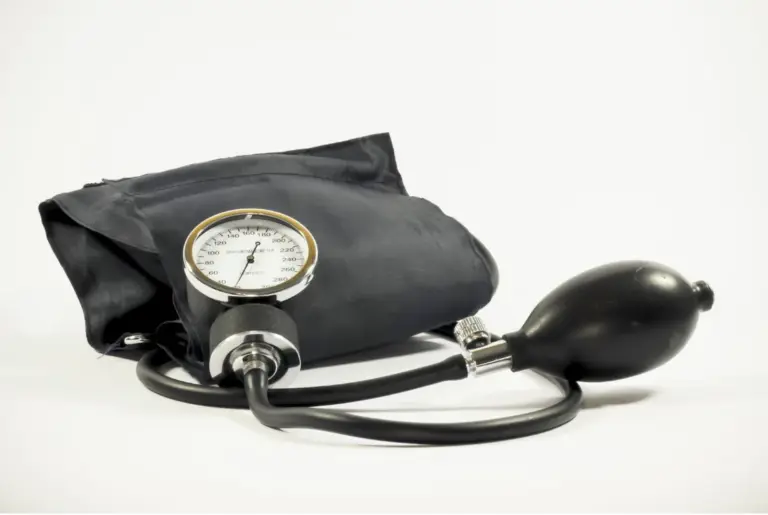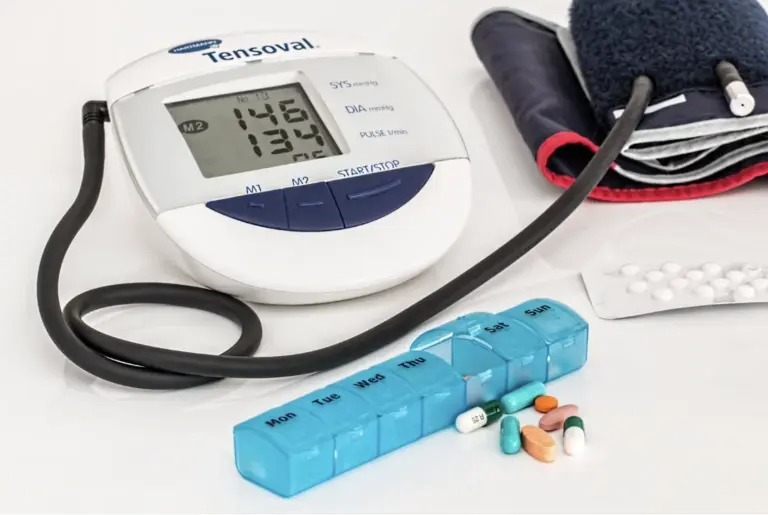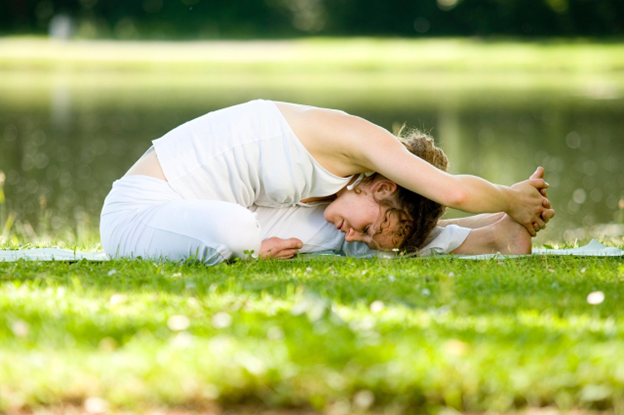
Feeling woozy while standing up or needing intermittent naps? These might be signs of low blood pressure or hypotension. While low blood pressure can be unnerving, there are tricks to mitigate it. These tricks are healthy habits like running, exercising, and yoga.
This article specifically talks about yoga for low blood pressure. Here’s a comprehensive list of yoga asanas that will help you manage hypotension.
Roll out your yoga mat and let these magical asanas nudge your blood flow back to normal.
1. Shishuasana (Child’s Pose)
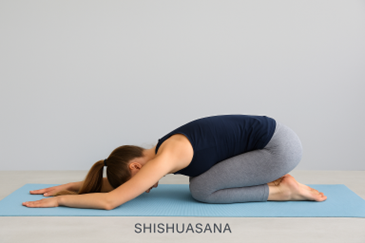
Visualise curling up after a long day on your couch. Child pose is that, but on a mat. It’s a restful pose perfect for grounding yourself while suffering from low energy levels.
This is a beginner and simple pose that encourages relaxation by gently stretching the spine and deeply calming you.
How to do it:
- Bend and get on your hands and knees.
- Spread your knees a little for comfort and let your toes touch.
- Sit with your hips touching your heels.
- Stretch your arms forward on the floor.
- Let your forehead rest on the mat or a cushion.
- Breathe slowly and deeply and relax.
- Hold the pose till you’re comfortable.
This is a good pose to start your yoga session with. You can also perform it intermittently with other yoga poses. It signals “relax” to your nervous system.
Real-life tip: Shisu-asana can be used as a personal reset button whenever you feel low on energy or the need to stretch. It helps cool down after a workout session.
Key benefits:
- Boosts heart-to-head blood circulation.
- Instantly calms your mind and body.
- Helps with fatigue.
- Restores energy levels.
2. Viparita Karani (Legs-Up-The-Wall Pose)
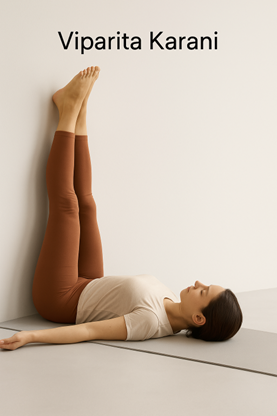
Next up, a little more advanced pose that will not only relax you but also tone your leg muscles.
While discussing yoga for low BP, this comes right to the top.
It is a mild inversion pose that improves brain circulation while relieving tired legs. Basically, it provides all the benefits of an upside-down pose without much effort.
How to do it:
- Lie on your back and touch your hips to a clear wall space.
- Swing your legs up vertically against the wall.
- Rest your arms by your sides, palms facing upward.
- Breathe calmly and stay in the pose meditatively for 5-10 minutes.
This is a gentle gravity-defying stretch that feels relaxing.
Real-life tip: Perfect after heavy leg workouts, a run, or after standing all day. This pose feels like a vacation to your legs and brain.
Key benefits:
- Reduces the lightheaded feeling induced by hypotension.
- Boosts circulation back to your heart and brain.
- Reduces exhaustion and swelling in legs and feet.
- Relaxes your nervous system.
3. Matsyasana (Fish Pose)
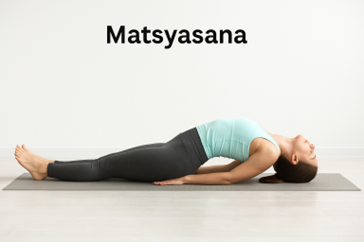
A vitalising pose that stimulates blood circulation to your head and throat regions. While increasing your blood pressure, it also helps counter slouch postures and brain fog.
Fish pose gently opens up your chest and encourages blood flow without sudden moves.
How to do it:
- Lie on your back and extend your legs.
- Place your arms comfortably beside your hips.
- Gently arch your back, pulling your chest upwards.
- Let your head rest softly on the floor.
- Breathe deeply and relax to enjoy the pose for a few minutes.
The body forms a cosy arch in this pose, like a little ramp that allows blood to cruise along happily.
Real-life tip: Fish pose feels like a spine hug after a long day at the desk or on the field.
Key benefits:
- Opens up tight muscles.
- Stimulates blood circulation to the brain
- Improves oxygen flow by expanding the chest and lungs.
- Helps relieve stress and elevate mood.
4. Uttanasana (Standing Forward Bend)
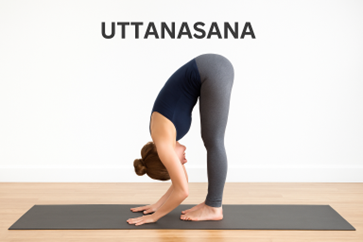
This is an awesome yoga asana for low BP because your head falls below your heart, thereby improving blood circulation to your brain. It is a forward fold that helps calm your mind, too.
How to do it:
- Stand, placing your feet hip-width apart.
- Gently bend forward from your hips and hang your head down.
- Slightly bend your knees if required.
- Rest your hands on your ankles or the floor, based on your comfort level.
- Breathe easily, relax your mind, and enjoy the pose for a minute or two.
The stretch perks you up with an instant energy boost. However, you must take care to enter and exit the pose slowly.
Real-life tip: Perfect for an instant energy shot in between your Zoom calls or after work. You can use this as your go-to ‘rest and reset’ pose.
Key benefits:
- Increases blood flow to the head.
- Relaxes stress. Calms the mind.
- Cures brain fog and lightheadedness.
5. Sarvangasana (Shoulder Stand)
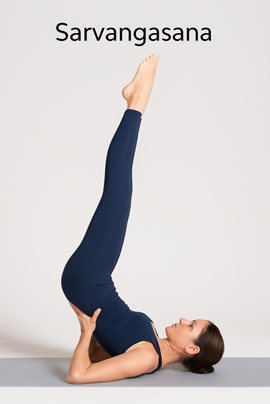
This is like the grand finale for improving blood flow, one of the best yoga asanas for low blood pressure.
It is also a type of inversion that helps lift your energy levels, mood, as well as blood flow. Perform it slowly and listen to your body.
How to do it (carefully!):
- Lie on your back and lift your legs upward.
- Provide support of hands to your lower back.
- Straighten your legs to form a straight line with a 90-degree curve between the back and legs.
- Tuck in your chin slightly and relax your neck.
- Place your arms beside your hips.
- Breathe deeply and relax to enjoy the pose.
- To come out of the pose, roll down gently and slowly on your vertebrae.
If you feel more adventurous, you can try Halasana or the plow pose, which is an extended version of Sarvangasana. However, both of these are to be avoided if you have neck issues or when you feel dizzy.
Real-life tip: This is an instant energy booster, but best practised in the mornings. Practice with wall support or with guidance if you are a beginner.
Key benefits:
- Stretches your neck and spine fully.
- Supercharges blood circulation to the brain.
- Wakes up with sleepy and strained muscles.
- Calms down your nervous system.
Frequently Asked Questions (FAQs)
-
What is the best time to perform yoga for a low blood pressure patient?
Mornings or early evenings are the best time, generally. However, don’t rush into performing these asanas right after waking up. Give time to your body to warm up and adjust.
-
I get quickly dizzy with low BP. What should I take care of while performing yoga?
Basically, you must ease yourself into these poses and not rush. Also, avoid fast transitions, jerky movements, and holding your breath for too long. If you feel dizzy while performing any pose, break out of it.
-
How quickly can I start seeing improvement in low BP by performing these yogasanas?
Consistency is the key, like any lifestyle habit. Perform these like a habit, 15-20 minutes a day; 3-5 days a week. You will start noticing a difference soon.
Conclusion
These yoga poses for low blood pressure boost health by instantly providing a circulation boost. Practising them daily will help you mitigate the issues and side effects of hypotension.
These asanas are all easy to perform and don’t require fancy equipment. Of course, lifestyle habits also matter a lot in order to tackle low blood pressure-related issues.
Staying hydrated, healthy snacking habits, good sleep, reducing caffeine, and regular monitoring, clubbed alongside these yoga poses, will help immensely.
You must also be aware of the exercises that should be avoided for people with low BP.
Trust us and get rolling on your mat. Your body and mind will thank you. Stay balanced, stay healthy, and keep that BP in control.
Disclaimer
The information contained in this article is to educate, spread awareness in relation to hypertension and other diseases to the public at large. The contents of this article are created and developed by BPinControl.in through its authors, which has necessary, authorisations, license, approvals, permits etc to allow usage of this articles on The Website. The views and opinions expressed in this article are views, opinions of the respective authors and are independently endorsed by doctors. Although great care has been taken in compiling and checking the information in this article, The Website shall not be responsible, or in any way liable for any errors, omissions or inaccuracies in this article whether arising from negligence or otherwise, or for any consequences arising therefrom. The content of this article is not a substitute for any medical advice. The Website shall not be held responsible or liable for any consequence arising out of reliance on the information provided in the article.