
What Is High Blood Pressure?
Blood pressure is the force at which blood pumps from the heart into the arteries. When the heart beats rhythmically it exerts pressure on the blood vessel walls. If the blood pressure in the arteries increases to unhealthy levels and this condition remains the same for continuous readings then it is diagnosed hypertension or high blood pressure. Normal blood pressure levels are less than 120/80 mm Hg (blood pressure is measured in millimeters of mercury where the upper number is systolic blood pressure and the lower is diastolic blood pressure). High blood pressure is when the reading is 130 systolic or higher or 80 diastolic or higher and those readings stay high for consecutive readings. High blood pressure or hypertension affects about 20 crore Indians and is one of the most chronic medical conditions affecting public health. When blood pressure is high, the blood moves through the arteries more forcefully, putting more pressure on the delicate tissues in the arteries and thus damaging the blood vessels. That is why high BP increases the risk of cardiovascular diseases considerably such as heart attacks. In fact, in India, 16% of Ischemic Heart Disease, 21% of Peripheral Vascular Disease, 24% of Acute Myocardial Infarctions and 29% of strokes are attributed to hypertension. There are no high blood pressure symptoms and that is one of the reasons why it goes undetected, and thus untreated. In almost 90% of cases, it is unclear what causes high blood pressure in the patient. If a person is diagnosed with hypertension, the first remedy to lower blood pressure suggested by the doctor is to adopt a healthier lifestyle.
Here Are Some Effective Tips To Maintain Regular Blood Pressure:
Workout Regularly
 A regular exercise regimen of around 40 minutes is one of the foundations of keeping the body healthy. In addition to a fit physique, working out also elevates the mood improves strength and balance. Exercises such as swimming, brisk walking, jogging/running, bike riding, get the heart pumping faster and blood and oxygen flowing easier. Physical activity done in a planned schedule can help lower blood pressure, decrease the risk of heart disease and diabetes.
Keep An Eye On The Measuring Scale & Waistline
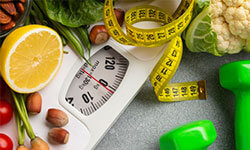 Being overweight puts you at a higher risk of developing high blood pressure. In case you already have hypertension, then your extra weight is an impediment to lowering the blood pressure – losing weight is one of the most effective lifestyle changes for controlling blood pressure as even a small weight loss can help reduce your high BP. With the same logic, an increasing waistline also increases the risk of hypertension, so watch the weighing scale. The extra fat around the waist is called visceral fat. This fat tends to surround the various organs in the abdomen and can lead to many health problems including high BP.
Stick To The DASH Diet
 The DASH (Dietary Approaches to Stop Hypertension) diet recommends eating high fibre, low sodium foods to reduce blood pressure. It is known to lower systolic blood pressure by almost 11 mm Hg. The DASH diet plan includes meals that are high in fruits, vegetables, low-fat dairy foods (more potassium, calcium, magnesium, protein and fiber), lean meats, fish, nuts, and low in saturated fat, trans fat and cholesterol such as processed foods, full-fat dairy products, and fatty meats.
Mind The Salt
 Eating too much salt increases the sodium content in your body. As a result, the body starts retaining more fluid which puts added pressure on the blood vessels and arteries which can finally lead to high BP. The lower the sodium content in your diet, the better the chances of controlling your high blood pressure. Ideally, a normal adult should consume less than 2300 milligrams of salt per day (get rid of the salt shaker on the dining table). Also, make sure to check nutritional facts on food packages and select those with 5% or less daily value sodium and avoid those with 20% or more daily value sodium.
Say No To Nicotine
 Every puff of that cigarette raises your blood pressure temporarily. The nicotine in cigarettes (and other tobacco products) makes the blood vessels narrower and the heartbeat faster, this can result in high blood pressure. So say no to nicotine, quit smoking and using tobacco products, to lower your blood pressure and also reduce the risk for heart disease and heart attacks.
Drink In Moderation
 Consuming alcohol in moderation, one glass a day for women and two or less for men, is okay. A glass of red wine at dinner may even help lower blood pressure but any excess drinking will have adverse effects on the body Moderate drinking is:
- 1 glass of beer
- 1 glass of wine
- 1 drink of 80-proof (40 % alcohol content) liquor
Stay Calm And Keep Stress At Bay
 Prolonged stress can temporarily raise blood pressure. Too much of it can keep the blood pressure up for extended periods of time. It is beneficial to identify the stress triggers (work, home, finances, health) and try to find a solution to the problems. Also put aside time for some favorite hobbies or projects that can act as stress busters (reading, gardening, listening to music, etc.). Meditation and yoga also have a therapeutic effect on the mind and body and are known to relieve stress.
If left untreated or uncontrolled high blood pressure can pose serious health problems including heart attacks, strokes, dementia, memory loss, kidney problems and more. As the only way to find out if you have prehypertension or high BP is to get it checked, make sure that you schedule regular appointments with your doctor to monitor the blood pressure readings. Lifestyle changes plus medication (if required) can help reduce blood pressure levels.
Potassium and high blood pressure:
- Lessens the effect of sodium.
- Eases tension in the blood vessel walls.
- Especially recommended for patients with blood pressure above 120/80 mm Hg but are otherwise healthy.
- Recommended potassium intake for an average adult is 4,700 milligrams (mg) per day.
- Patients with kidney problems should consult the doctor before taking any excess potassium.
- Bananas, avocados, apricots, grapefruits, oranges, peaches, spinach, tomatoes, low fat milk, fat free yogurt, peas, raisins, dates etc. are all potassium rich foods.
Note of caution: This article is for information purposes only. Always consult your doctor before altering any diet plans, medications or in case of any other blood pressure-related troubles.
Disclaimer
The information contained in this article is to educate, spread awareness in relation to hypertension and other diseases to the public at large. The contents of this article are created and developed by BPinControl.in through its authors, which has necessary, authorisations, license, approvals, permits etc to allow usage of this articles on The Website. The views and opinions expressed in this article are views, opinions of the respective authors and are independently endorsed by doctors. Although great care has been taken in compiling and checking the information in this article, The Website shall not be responsible, or in any way liable for any errors, omissions or inaccuracies in this article whether arising from negligence or otherwise, or for any consequences arising therefrom. The content of this article is not a substitute for any medical advice. The Website shall not be held responsible or liable for any consequence arising out of reliance on the information provided in the article.