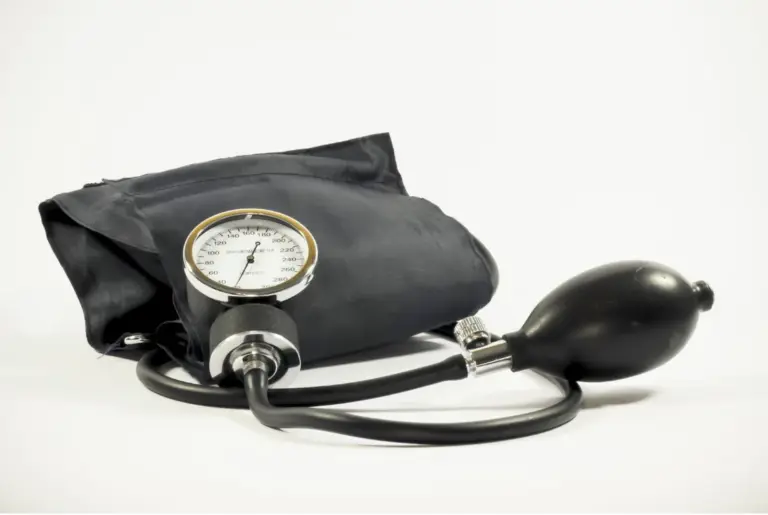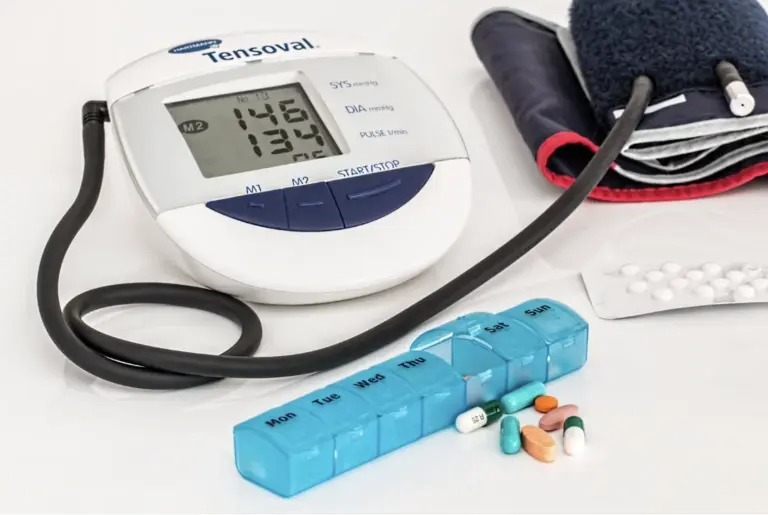
Brain And Blood Pressure Healthy functioning of our body depends highly on the circulatory organ system. In humans, the blood circulatory system transports oxygen and minerals alongside other essential nutrients to different parts of the body. Blood pressure is the measure of force by which your heart pumps out blood to the arteries. It is composed of two components, the systolic and diastolic pressure. Hypertension or high blood pressure is one of the most common diseases arising from abnormal blood pressure. It has been categorised as cardiovascular disease and affects all the organs of the body. The most significant effect of hypertension is on the eyes, brain and kidneys.
What Is A Stroke?
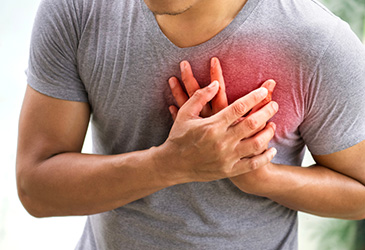 Stroke is the damage to the brain due to ruptured blood vessels.
There are many types of strokes.
- Ischemic Stroke
It accounts for approximately eighty-seven per cent of all the strokes. It is caused due to the blockage of an artery to the brain. The brain tissue eventually dies as it runs out of oxygen and blood supply. - Intra Cerebral Haemorrhage
It is caused due to a leakage in the blood vessel in the brain. This is often the result of persistent high blood pressure. - Embolic Stroke
It is caused due to a blood clot that has travelled from another part of the body to the brain blood vessels. - Haemorrhagic Stroke
It accounts for approximately thirteen percent of the strokes and is caused by ruptured blood vessels. It is considered far more severe than an ischemic stroke. - Subarachnoid Haemorrhage
It is caused due to the bleeding in the space between the skull and the brain and arises due to an aneurysm. - Thrombotic Stroke
It is caused by a blood clot that has formed where an artery narrows due to atherosclerosis.
How Is Dementia-related To Hypertension?
 While the loss of one’s mental ability is one of the signs of ageing, many older individuals experience progressive memory loss at the early stages of ageing. Multi-infarct dementia is a medical condition wherein the brain’s smaller vascular system becomes diseased due to oxygen and glucose deprivation. Therefore, recovery becomes complicated when a large number of memory cells become damaged.
Five Steps That Can Help
The key is to lower the blood pressure and maintain normalcy. Five steps that can help you achieve normal blood pressure are:
-
- Diet
 Reduce the sodium intake alongside the reduction in processed foods and increase in fruits, vegetables, fish and whole grains.
- Diet
 Reduce the sodium intake alongside the reduction in processed foods and increase in fruits, vegetables, fish and whole grains.
-
- ExerciseRegular exercise and maintaining a proper weight can help keep your blood pressure in control.
- Exercise
 Regular exercise and maintaining a proper weight can help keep your
 -
- Moderate AlcoholIt is essential to reduce heavy drinking and to maintain moderate drinking to keep your blood pressure regular.
- Moderate Alcohol
 It is essential to reduce heavy drinking and to maintain moderate drinking to keep your blood pressure regular.
-
- NSAIDYou must reduce your intake of Non-Steroidal Anti-Inflammatory Drugs (NSAIDs) to maintain normal blood pressure.
- NSAID
 You must reduce your intake of Non-Steroidal Anti-Inflammatory Drugs (NSAIDs) to maintain normal blood pressure.
- StressOne of the significant factors that keep blood pressure in control is stress. You must ensure a stress-free environment to have healthy blood pressure.
 One of the significant factors that keep blood pressure in control is stress. You must ensure a stress-free environment to have healthy blood pressure.
Conclusion
High blood pressure and the complications that arise from it are very common to our changing lifestyle. Therefore, it is essential to monitor our blood pressure regularly. You must visit your doctor if you observe consistent high blood pressure and always maintain normal blood pressure levels.
Note of Caution: This article is for information purpose only. Always consult your doctor in case of any blood pressure or other health-related problems.
Disclaimer
The information contained in this article is to educate, spread awareness in relation to hypertension and other diseases to the public at large. The contents of this article are created and developed by BPinControl.in through its authors, which has necessary, authorisations, license, approvals, permits etc to allow usage of this articles on The Website. The views and opinions expressed in this article are views, opinions of the respective authors and are independently endorsed by doctors. Although great care has been taken in compiling and checking the information in this article, The Website shall not be responsible, or in any way liable for any errors, omissions or inaccuracies in this article whether arising from negligence or otherwise, or for any consequences arising therefrom. The content of this article is not a substitute for any medical advice. The Website shall not be held responsible or liable for any consequence arising out of reliance on the information provided in the article.