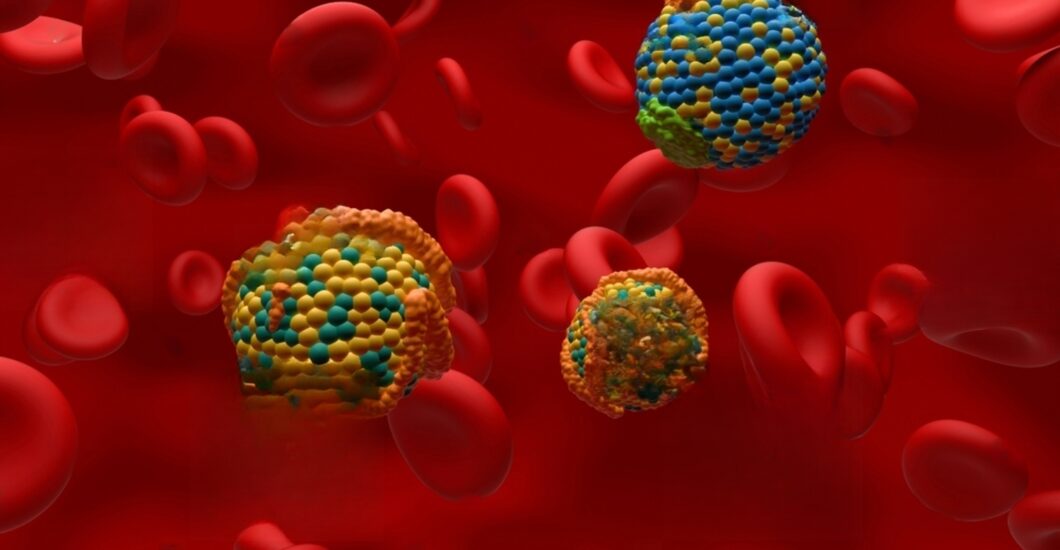
If you’ve ever had a conversation about health, chances are you’ve come across the term “lipoprotein” or heard someone mention cholesterol levels. But what exactly are lipoproteins, and why do they matter? In this article, we’ll delve into the fascinating world of lipoprotein—meaning, types, functions, and importance in our overall health.
What is lipoprotein?
Lipoproteins are like the unsung heroes of our circulatory system. To put it simply, they are complex molecules made up of lipids (fats) and proteins. These remarkable structures play a pivotal role in our body, acting as transporters for lipids, including cholesterol and triglycerides, through the bloodstream. Without these lipoproteins, the transportation of these essential lipids would be chaotic and inefficient.
Types of Lipoproteins
Now that we have a general understanding of what lipoproteins are let’s explore the different types:
- HDL (High-Density Lipoprotein): HDL is often celebrated as the “good” cholesterol. It earns this distinction because of its remarkable ability to transport cholesterol away from your body’s tissues and arteries, leading it back to the liver for processing and In short, HDL acts as a cleanup crew, reducing the risk of cholesterol buildup in your arteries and the development of heart disease.
- VLDL (Very-Low-Density Lipoprotein): On the flip side, VLDL is tasked with the job of transporting triglycerides from the liver to other tissues in your body. As VLDL triglycerides are broken down, they release fatty acids that can ultimately contribute to elevated LDL levels.
- IDL (Intermediate-Density Lipoprotein): IDL is a transitional lipoprotein that forms when VLDL loses some of its triglycerides. It plays a role in cholesterol transport but is often considered less significant than HDL and LDL.
With these different types of lipoproteins, our body has a finely tuned system for managing lipid transport, maintaining a delicate balance.
What is lipoprotein (a) or LP(a)?
While most people are familiar with HDL and LDL, there’s another player in the lipid game worth mentioning: lipoprotein (a), often abbreviated as LP(a).
Lipoprotein (a), or LP(a), is a unique form of LDL cholesterol with an added protein, apolipoprotein (apo(a)), which makes it stickier. This stickiness can lead to the buildup of LP(a) in blood vessels, increasing the risk of heart disease and atherosclerosis. Unlike HDL and LDL, LP(a) levels are primarily determined by genetics, with certain genetic mutations leading to higher levels and an elevated risk of heart disease, often at a younger age.
Causes of high Lp(a) levels
Understanding what causes high LP(a) levels is crucial in managing heart health. Several factors can contribute to elevated LP(a) levels:
- Genetics: Family history plays a significant role in determining LP(a) levels. If you have close relatives with high LP(a), you can be at a higher risk.
- Age: LP(a) levels tend to increase with age, which is why older individuals can have higher levels.
- Diet and Lifestyle: While diet and lifestyle factors can influence cholesterol levels, they may have a more limited effect on LP(a) levels compared to other cholesterol types.
- Hormones: Some hormonal changes, such as those associated with menopause, can impact LP(a) levels.
Symptoms of high Lp(a) Levels
High LP(a) levels may not cause noticeable symptoms on their own. However, they can significantly increase your risk of heart disease, stroke, and other cardiovascular problems. It’s essential to monitor and manage LP(a) levels to reduce these risks.
Treatment for High Lipoprotein (a)
Managing high LP(a) levels can be challenging, but it’s not impossible. Here are some treatment options:
- Lifestyle Changes: Eat a balanced diet, maintain a healthy weight, stay physically active, and avoid smoking.
- Medications: Your doctor may prescribe medications to help lower your LP(a) levels, such as niacin, statins, or other lipid-lowering drugs. The effectiveness of these medications can vary from person to person.
- Apheresis: In severe cases, apheresis may be recommended. This procedure involves removing and filtering your blood to reduce LP(a) levels. It’s usually reserved for individuals at high risk of cardiovascular events.
Summing Up
In the quest for healthier cholesterol levels, it’s essential to remember that each person’s journey is unique. What works for one individual may not work for another. The key is to stay informed, work closely with your healthcare provider, and make lifestyle choices that promote a happy, healthy heart.
If you have concerns about your high cholesterol, diabetes, heart health, or any other medical issues, consider checking BPInControl’s Find a Physician portal. It’s a valuable tool that can connect you with the best doctors in your area.
Remember, your health is your most precious asset. By taking proactive steps and staying informed, you can set on a journey towards a heart-healthy lifestyle and a brighter, healthier future.
Disclaimer
The information contained in this article is to educate, spread awareness in relation to hypertension and other diseases to the public at large. The contents of this article are created and developed by BPinControl.in through its authors, which has necessary, authorisations, license, approvals, permits etc to allow usage of this articles on The Website. The views and opinions expressed in this article are views, opinions of the respective authors and are independently endorsed by doctors. Although great care has been taken in compiling and checking the information in this article, The Website shall not be responsible, or in any way liable for any errors, omissions or inaccuracies in this article whether arising from negligence or otherwise, or for any consequences arising therefrom. The content of this article is not a substitute for any medical advice. The Website shall not be held responsible or liable for any consequence arising out of reliance on the information provided in the article.