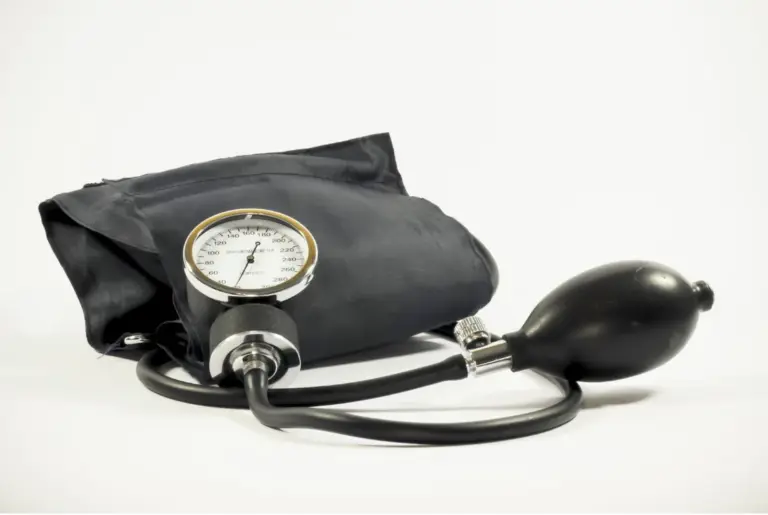
IntroductionKnown to be a ‘silent killer’, hypertension or high blood pressure is more prevalent than we know it to be. It is a significant cause of heart and vascular diseases such as stroke, heart attack and kidney ailments. To control the rising number of hypertension patients and to create awareness to detect the condition early, World Hypertension Day is celebrated since 2005 on the 17th of May. Due to the ongoing pandemic, the World Health League (WHL), an affiliation of the International Society of Hypertension (ISH), postponed the celebration of World Hypertension Day from 17th of May, 2020 to 17th October, 2020.
For the first five years, the theme for World Hypertension Day was ‘Know Your Numbers’, to encourage people to find out their blood pressure levels. For the year 2020, the theme chosen for this day is– Measure Your Blood Pressure, Control It, Live Longer.
But, how does one know what is considered as ‘high’ blood pressure?
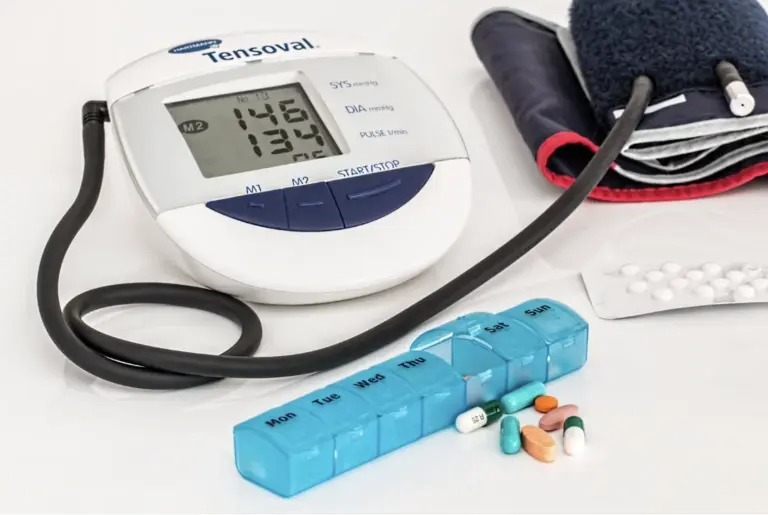
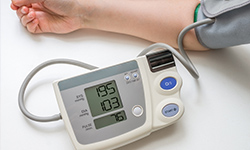 According to the latest World Health Organization (WHO) guidelines, having a systolic blood pressure of 140 mm Hg or higher and a diastolic blood pressure of 90 mm Hg confirms you have a disease of high blood pressure.
People with BP level of ≥140 mmHg of systolic and ≥90 mmHg of diastolic BP are considered to have hypertension. Hypertension is called the silent killer because, in most cases, the patient does not notice any signs or symptoms, as a result of which, these cases do not get diagnosed until they suffer from severe complications and ultimately death.
However, some signs and symptoms of the condition include-
 Frequent headaches, which can become severe
- Breathlessness
- Fatigue
- Nausea
- Blurring of vision
- Bleeding from the nose
 Frequent headaches, which can become severe
 Breathlessness
 Fatigue
 Nausea
 Blurring of vision
 Bleeding from the nose
There are many high blood pressure risk factors. These include-
- Increasing age
- History of the condition in the family
- Being obese or overweight
- In people with inactive lifestyles and those who do not work out or exercise
- Excessive salt in the diet
- Consuming very little potassium in the diet
- Excessive alcohol consumption
- High-stress levels
- Some chronic conditions (for example, thyroid disease, diabetes mellitus, etc.)
 Increasing age
 History of the condition in the family
 Being obese or overweight
 In people with inactive lifestyles and those who do not work out or exercise
 Excessive salt in the diet
 Consuming very little potassium in the diet
 Excessive alcohol consumption
 High-stress levels
 Some chronic conditions (for example, thyroid disease, diabetes mellitus, etc.)
In some cases, people have some underlying cause that increases their risk for the condition, such as narrowed or hardened arteries, adrenal gland disease, hormonal abnormalities, and thyroid conditions.
People with high blood pressure have to take extra care to manage their high blood pressure risk factors and reduce them.
Here are some effective ways
to manage your blood pressure levels
and keep them at optimal levels
workout regularly.

alcohol at all costs.
healthy weight.
drinks and switch
to natural juices.

blood pressure
levels regularly.
Conclusion
People with high blood pressure are usually unaware of their condition, making them vulnerable to more debilitating complications, and sometimes even death. This World Hypertension Day, let us know our numbers, measure our blood pressure, control it to live longer and healthier!
Note of Caution: This article is for information purpose only. Always consult your doctor in case of any blood pressure or other health-related problems.
Disclaimer
The information contained in this article is to educate, spread awareness in relation to hypertension and other diseases to the public at large. The contents of this article are created and developed by BPinControl.in through its authors, which has necessary, authorisations, license, approvals, permits etc to allow usage of this articles on The Website. The views and opinions expressed in this article are views, opinions of the respective authors and are independently endorsed by doctors. Although great care has been taken in compiling and checking the information in this article, The Website shall not be responsible, or in any way liable for any errors, omissions or inaccuracies in this article whether arising from negligence or otherwise, or for any consequences arising therefrom. The content of this article is not a substitute for any medical advice. The Website shall not be held responsible or liable for any consequence arising out of reliance on the information provided in the article.