Hypertension In India
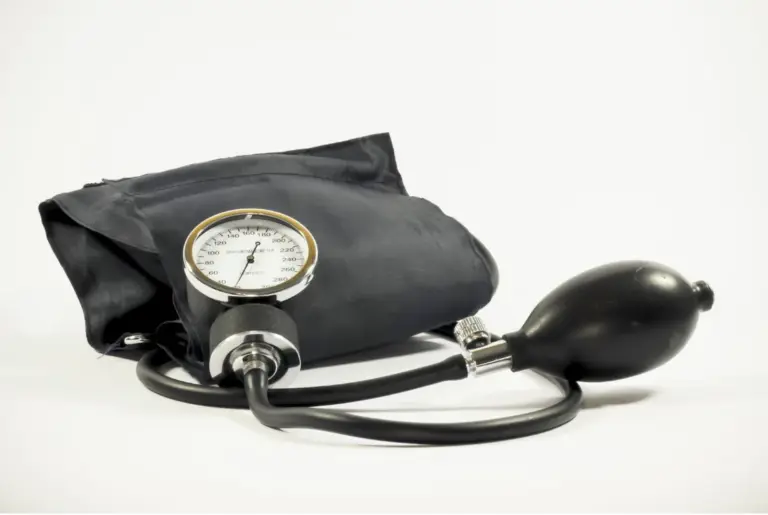
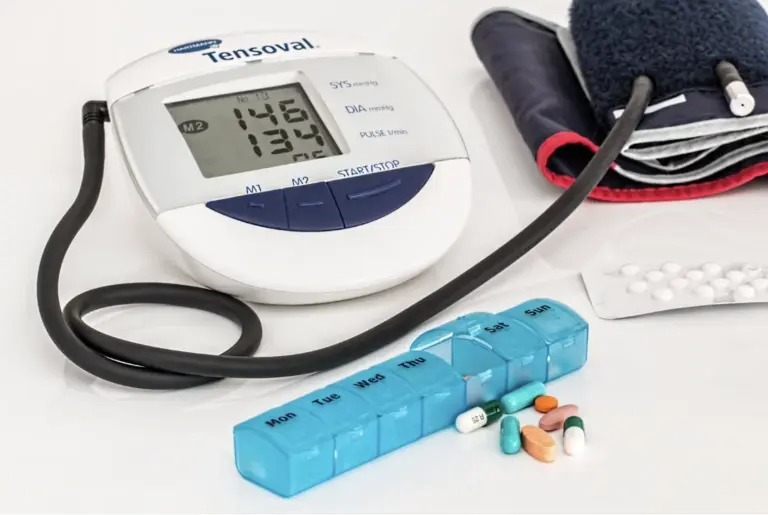
 Hypertension has become a chronic medical condition, not just in India but globally. More than 20 crore people in India suffer from high BP and it is one of the leading causes of premature deaths. It is directly responsible for 29% of all strokes and 24% of heart attacks as only half the people who suffer from it are diagnosed and out of which only 10% have the condition under control. Alarmingly, estimates state that by the end of the current year almost one third of India’s population will have high blood pressure.
Stress & Hypertension
 One of the known triggers for hypertension is stress. Chronic stress and anxiety (triggers such as work pressures, family problems, finances, illnesses) can have an adverse effect on blood pressure and can be aggravated further by eating unhealthy food, drinking alcohol or smoking.
Mindfulness For Lower Blood Pressure
 Studies are reporting that one of the effective ways to reduce stress and have low blood pressure in patients suffering from hypertension is mindfulness training.
Mindfulness meditation is a mental training practice that involves breathing practice, mental imagery, awareness of body and mind, and muscle and body relaxation.
Mindfulness training is especially beneficial to hypertension patients who find making permanent healthy lifestyle changes, and sticking to them, difficult.
Doctors can prescribe a training program that includes mindfulness practices which specifically address hypertension, explain how behavior can contribute to high BP, encourage patients to take their BP medicines regularly, and to help patients strengthen their ability to maintain the healthful habits that can help lower blood pressure.
Studies conducted on participants with hypertension (130 mm Hg systolic over 85 mm Hg diastolic or higher and in some cases even 140 mm Hg systolic), for a 10 session program over 1 year, showed that at the end of the year the participants blood pressure was still lower than at baseline, with participants having a systolic measurement of over 140 mm Hg benefitting the most from these training sessions.
Other benefits of the mindfulness training that the participants reported were strong self-management skills and the increased ability to maintain lifestyle changes which helped to achieve controlled BP.
Further testing is being conducted to determine if mindfulness training can have long term significant effects on BP and whether it can be incorporated along with standard medical care in terms of treatment options for people with high blood pressure.
Note of caution: This article is for information purpose only. Always consult your doctor in case of any blood pressure or other health related problems.
Disclaimer
The information contained in this article is to educate, spread awareness in relation to hypertension and other diseases to the public at large. The contents of this article are created and developed by BPinControl.in through its authors, which has necessary, authorisations, license, approvals, permits etc to allow usage of this articles on The Website. The views and opinions expressed in this article are views, opinions of the respective authors and are independently endorsed by doctors. Although great care has been taken in compiling and checking the information in this article, The Website shall not be responsible, or in any way liable for any errors, omissions or inaccuracies in this article whether arising from negligence or otherwise, or for any consequences arising therefrom. The content of this article is not a substitute for any medical advice. The Website shall not be held responsible or liable for any consequence arising out of reliance on the information provided in the article.