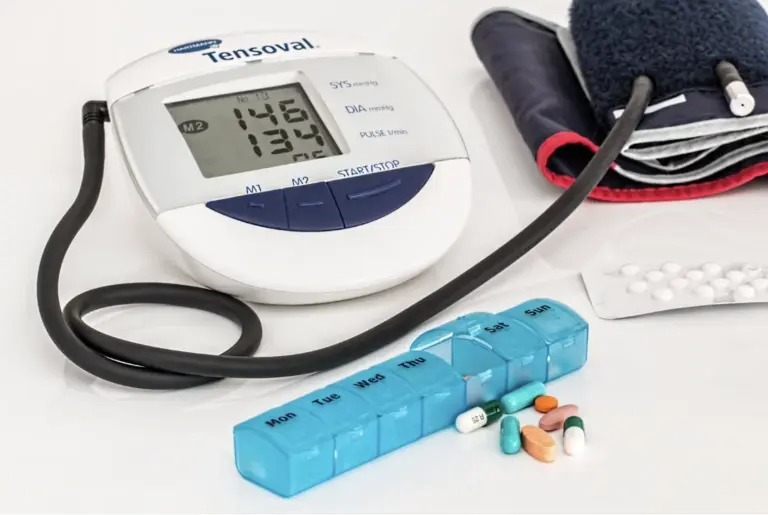
Lemon is good for high blood pressure and so are certain other lifestyle changes. High blood pressure occurs when the force of blood pushing against the blood vessel walls is consistently high, which, in severe cases, can lead to a stroke or heart attack. The normal blood pressure level is 120/80 mmHg. Stage 1 of hypertension is when the systolic (first part of cardiac cycle) is at 130-139 mmHg and diastolic (second part of cardiac cycle) is at 80-89 mmHg. Stage 2 is recorded at a systolic pressure of 140 or higher and diastolic pressure of 90 or higher. Anything higher than 180/120 mmHg is considered a hypertensive crisis.
One of the effective homemade remedies to mitigate such a severe chronic condition includes using lemons to manage hypertension.
The Lemon-Blood Pressure Connection
Lemon, scientifically known as Citrus limon, is a citric food rich in flavonoids, which has been used in Indian medicine for its nutritional and pharmaceutical properties. It helps reduce the risk of ischemic stroke (when blood flow to your brain is reduced or blocked).
High blood pressure and lemon are closely linked. Lemon juice contains antihypertensive, antibacterial, and antifungal effects that can fight blood pressure. Lemons are a powerhouse of vitamin C and antioxidants. They contain potassium which helps balance sodium levels in the body. Lemons improve blood flow, reduce inflammation, and prevent the formation of blood clots.
Incorporating Lemon into a Blood Pressure-Friendly Diet
It is no wonder that lemon is good for high blood pressure considering its importance as a core ingredient in every Indian household. Here’s how you can incorporate it into a blood pressure-friendly diet:
- Start your morning with a glass of lukewarm lemon water. Squeeze half a lemon into the warm water and drink it on an empty stomach to kickstart your metabolism and stay hydrated.
- You can also add a slice of lemon to a warm cup of green tea with lemongrass.
- Lemon juice is squeezed in salad dressings to add some extra zing. Combine it with olive oil, a pinch of salt, and a few herbs, to turn it into a heart-healthy side dish.
Lifestyle Strategies for Blood Pressure Management
High blood pressure is often known as the ‘silent killer’, because it doesn’t show any symptoms. Hence, it is necessary to get regular body checkups, monitor your blood pressure closely, and incorporate lifestyle changes into your life.
While high blood pressure and lemon are closely related, here are some other strategies that can help you manage hypertension –
- Stay active. Ensure you get at least 150 minutes of exercise in a week. Move around, take the stairs instead of the elevator, walk while you talk or conduct standing meetings, play a sport, and park your vehicle away or take the public transport.
- Obesity can also result in hypertension. Therefore, it is imperative to keep a healthy weight and avoid fat build-up around the waist to prevent visceral fat from accumulating.
- Consume a heart-healthy diet rich in omega-3 fatty acids, which can be found in seeds, nuts, olive oil, beans, poultry, eggs, or salmon. A Mediterranean or a DASH (Dietary Approaches to Stop Hypertension) diet is rich in fruits, green leafy vegetables, and whole grains that can work wonders for your cardiovascular health. Consume fat-free or low-fat dairy products to stay healthy in the long run.
- Avoid consuming refined sugar, oily, fried, junk, or processed foods and sweetened beverages.
- Refrain from smoking tobacco or drinking alcohol, as they can raise blood pressure levels.
- Get a good night’s sleep of 7 to 8 hours so your body can get adequate rest, recharge, and refuel for the next day.
Enjoy this kitchen staple in moderation to reduce the risk of blood pressure.
Disclaimer
The information contained in this article is to educate, spread awareness in relation to hypertension and other diseases to the public at large. The contents of this article are created and developed by BPinControl.in through its authors, which has necessary, authorisations, license, approvals, permits etc to allow usage of this articles on The Website. The views and opinions expressed in this article are views, opinions of the respective authors and are independently endorsed by doctors. Although great care has been taken in compiling and checking the information in this article, The Website shall not be responsible, or in any way liable for any errors, omissions or inaccuracies in this article whether arising from negligence or otherwise, or for any consequences arising therefrom. The content of this article is not a substitute for any medical advice. The Website shall not be held responsible or liable for any consequence arising out of reliance on the information provided in the article.