Short answer? Yes. 100%.
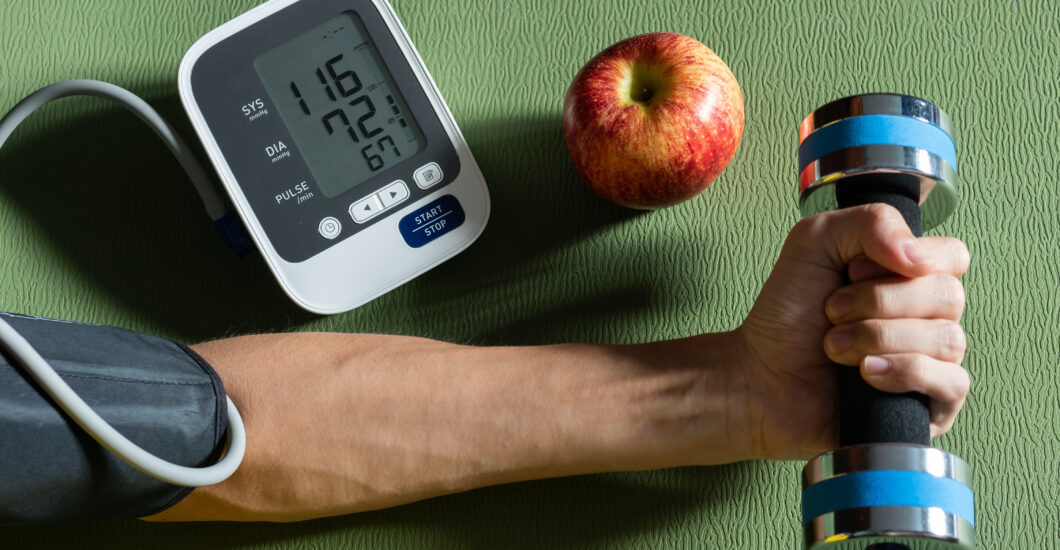
You could be doing pushups like a champ, have visible biceps, hit your daily steps — and still have high blood pressure.
Frustrating? Totally. Your eye roll is justified.
But let’s break it down before your brain goes: “Wait, then what’s even the point of working out?”
Introduction: The Relationship Between Fitness and Blood Pressure
Here’s the thing — being “fit” doesn’t mean your BP will automatically behave.
We all know someone who hits the gym religiously but gets dizzy standing up too fast or walks around with a BP cuff in their gym bag. That’s not irony — that’s biology.
So let’s unpack the whole “fit but hypertensive” situation.
It’s not a contradiction. It’s more common than you think.
Understanding Blood Pressure and Hypertension
Let’s keep it real — no jargon here.
- Blood pressure = how hard your blood pushes against your arteries when your heart beats.
- High blood pressure (hypertension) = when that pressure is regularly higher than it should be.
- It’s like a tap turned on too strong — great for washing dishes, terrible for your heart.
You can be fit, lean, even athletic — and still have hypertension.
Why? Because BP isn’t only about body size or how much cardio you do.
Other silent players are involved — and we’ll talk about those in a bit.
Fitness vs. Hypertension: How They Interact
Being physically active helps — big time.
But sometimes, fitness and BP don’t get along because:
- You work out hard, but your diet’s a mess (hello, post-gym samosas).
- Deadline? Poor sleep regularly can increase stress and can lead to hypertension.
- You’re stressed 24/7, even while holding a plank.
- You’ve got a family history of BP issues, and your genes are being extra.
Basically, you could be doing all the right things physically, but still have internal stuff (like stress hormones or salt retention) sabotaging your numbers.
And no, the treadmill doesn’t cancel out a salty dinner + 4 hours of sleep + work anxiety.
How Fitness Can Help Manage High BP
Now the good news.
Fitness isn’t pointless in this story — it’s actually one of the best tools to manage high BP.
Let’s be honest — if BP were a toxic ex, exercise would be the ultimate glow-up revenge.
It doesn’t just help… it claps back hard.
But only when done smartly.
What does exercise do for your BP?
- It relaxes your blood vessels
Think of it like opening a jammed window — exercise helps those tight vessels chill out and let blood flow more easily. - It burns off the stress hormone (cortisol)
High cortisol = high BP. Even 20 minutes of walking can lower it, like literally sweat the stress out. - Improves your heart’s efficiency
A stronger heart doesn’t need to work as hard to pump blood, which naturally brings BP down. - Supports weight management
Less belly fat = less pressure on your cardiovascular system.
What kinds of workouts actually help?
Here’s the no-BS guide:
1. Brisk Walking (30–45 minutes)
- Cheap. Works like magic. (Skip if you’re extremely overweight.)
Done daily, it gently conditions your heart, lowers BP, and clears your head.
2. Swimming
- A summer favourite. You work out, stay cool, and it’s zero-impact on your joints.
3. Strength Training (light to moderate)
- Not for bulking up — but for balance.
Try bodyweight moves like squats, pushups, and planks.
2–3 sessions a week, nothing crazy.
4. Stretching & Yoga
- Don’t underestimate this calm stuff.
Slow breathing, mindful movement, and stress relief help lower BP.
5. Cycling (indoor/outdoor)
- Cycling helps blood circulation, stamina, and mood. Try get some sunlight while riding.
Here’s how:
- Cardio? It’s gold. Even brisk walking for 30 minutes helps blood vessels relax.
- Strength training? Works too, as long as you don’t hold your breath or max out aggressively.
- Stretching or yoga? A few deep breaths can do what 3 cups of herbal tea can’t.
What to stay glued to:
- Consistency over intensity — regular walks > random HIIT once a week
- Stay hydrated — especially in summer
- Don’t skip recovery — rest is part of training
Translation? You don’t have to become a fitness freak. A few smarter baby steps that should eventually become habits.
The Role of Diet, Stress, and Genetics
Okay, this is where most fit people trip up.
You might look like a Marvel hero but…
- Salt’s still salt, even if it’s Himalayan pink.
- Stress still spikes BP, even if you handle it like a “high-functioning adult.”
- Genes don’t care about your protein intake. If BP runs in your family, it’s worth paying extra attention.
So yes, your gym schedule is impressive.
But if your meals are high-sodium, your sleep is patchy, and your idea of self-care is scrolling till 2 AM, your BP will notice.
Bonus tip – Self-care is not doing what you love, it’s doing what you need.
Small Changes Can Control BP:
- Add potassium-rich foods (banana, spinach, coconut water)
- Go gaga over nuts – get resveratrol from peanuts (not wine), and get magnesium from cashew nuts for good sleep.
- Bring Ghee back to your meals, it help in controlling the blood pressure.
- A seasonal fruit a day keeps BP at bay
- Cut back on processed food and over-salty “diet snacks”
- Meditate or just… breathe deeply without opening Instagram
Can High BP Impact Your Fitness Goals?
Spoiler: Yes. Let’s find out how?
High blood pressure isn’t just a health metric your doctor nags you about — it can straight-up mess with your performance, motivation, and even your progress in ways most people don’t talk about.
Let’s break it down.
1. You Get Tired Faster Than Usual
It’s not about being ”lazy.” It’s your body saying, “Bro, I’m already under pressure here.”
High BP causes tiredness, and even small physical tasks can feel exhausting.
2. Recovery Becomes Slower
You nailed leg day, but two days later, your quads still hate you?
High BP can impact circulation and oxygen flow, which delays muscle recovery. Plus, poor sleep (which often tags along with high BP) only makes things worse.
3. Risk of Dizziness or Headaches Post-Workout
If you feel headaches or dizziness post-workout frequently, then it’s not always just dehydration. It can be high BP. Therefore, one should monitor BP at home to avoid any heart risks.
4. Your Mental Focus Takes a Hit
Surprise — BP doesn’t just affect your body.
It affects your mood, mental clarity, and your capacity to perform during workouts.
Feeling mentally foggy after a stressful day? Could be cortisol, or could also be your BP quietly rising.
5. Long-Term Damage Can Stall Your Fitness Journey
Let’s keep it real, ignoring BP while chasing abs is like polishing your car while the engine leaks.
High BP increases your risk of:
- Heart issues
- Kidney problems
- Vision changes
- And mood swings that kill workout motivation
All that gym effort? Down the drain if your body’s under silent stress 24/7.
So, What’s the Fix?
You don’t need to stop working out — you just need to train smart.
Here’s how:
- Warm up well – Don’t jump straight into heavy sets
- Breathe properly – No breath-holding during reps
- Prioritize cool-downs – Give your system time to relax
- Monitor BP weekly – Don’t wait for symptoms
- Listen to your body – Some days, chill workouts are better than beast mode
And yeah, track your BP like you track your steps. Because high blood pressure might not show up in your mirror selfies… but it sure shows up in how you feel.
Conclusion: Staying Fit and Managing BP Together
Let’s end with this: you don’t have to choose between being fit and being healthy inside.
Yes, you can squat heavy, run miles, do push-ups on one hand, and still need to monitor your BP like a responsible adult. That’s not weakness. That’s wisdom.
Here’s your takeaway checklist:
- Move daily (even a walk counts)
- Eat more greens and less processed stuff
- Chill more — seriously
- Get your BP checked regularly
- Brag about your biceps and your healthy BP numbers
Yes, you can be fit and have high BP. But, fitness alone isn’t a free pass.
Keep it happy, and let you live your fittest, most energetic life.
Disclaimer
The information contained in this article is to educate, spread awareness in relation to hypertension and other diseases to the public at large. The contents of this article are created and developed by BPinControl.in through its authors, which has necessary, authorisations, license, approvals, permits etc to allow usage of this articles on The Website. The views and opinions expressed in this article are views, opinions of the respective authors and are independently endorsed by doctors. Although great care has been taken in compiling and checking the information in this article, The Website shall not be responsible, or in any way liable for any errors, omissions or inaccuracies in this article whether arising from negligence or otherwise, or for any consequences arising therefrom. The content of this article is not a substitute for any medical advice. The Website shall not be held responsible or liable for any consequence arising out of reliance on the information provided in the article.