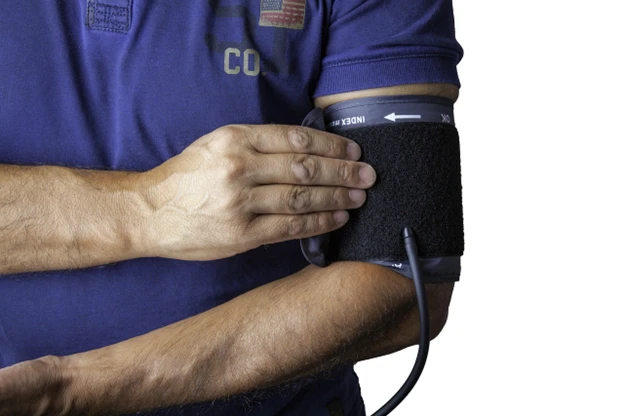
Ever noticed how your BP monitor acts like it has mood swings and does its own “good morning” and “good night” routine? You check your blood pressure in the morning, then again at night, and the numbers look completely different. But nothing unusual is happening. Your body is just following its natural circadian rhythm.
Let’s break down how this whole circadian rhythm and blood pressure connection works, in a simple, warm, and chai-time style.
Understanding Circadian Rhythm and Its Role in Blood Pressure
What Circadian Rhythm Means for Your Body
Your circadian rhythm is your body’s built-in 24-hour clock. It quietly guides your energy, sleep, hunger, mood, and even how your organs function. You do not notice it working, but it shapes almost everything you feel throughout the day.
This rhythm also influences your BP. Before we talk about morning surges and night dips, it helps to understand how this internal system works.
How the Body’s Internal Clock Regulates BP?
Your BP adjusts according to activity. When you’re awake, thinking, walking, stressing, or even scrolling through notifications, your body needs more circulation, so BP rises slightly. During rest, especially sleep, activity drops, repair processes kick in, and BP lowers.
This natural rise and fall creates the blood pressure circadian rhythm.
Hormonal Influences on Daily BP Fluctuations?
Hormones play a quiet but powerful role.
Cortisol peaks in the morning to wake you up. Adrenaline spikes with stress or sudden activity. By night, melatonin takes over, calming your system and lowering BP. These hormonal shifts are timed by your internal clock, which is why BP follows a predictable 24-hour cycle.
Why Blood Pressure Is Higher in the Morning
Morning Surge Explained
Many people notice a rise in BP between 6 am and noon, called the morning surge. Your heart beats faster, and blood vessels tighten just enough to get your body ready for the day. It’s your system shifting from sleep mode to “let’s get moving” mode.
Stress Hormones and Wake-Up Triggers
Along with cortisol, your morning routine also plays a part. Getting out of bed quickly, checking emails, rushing for work, or mentally preparing for the day can further elevate BP. None of this is unusual. It is simply the body responding to wake-up triggers.
Risks Associated With High Morning BP
A small rise in the morning is normal. But if the surge is too strong or happens too often, it can strain your blood vessels, so it’s worth noting and tracking. Some people may also experience:
- Headaches on waking
- Lightheadedness
- Consistently high morning readings
Why Blood Pressure Drops at Night
The Concept of Nocturnal Dipping
As evening arrives, your body begins to power down. Heart rate slows, blood vessels relax, and circadian blood pressure drops by about 10–20%, a process known as nocturnal dipping. It’s your cardiovascular system’s way of taking a well-deserved rest.
Sleep Quality and Its Impact on Nighttime BP
Deep, uninterrupted sleep allows BP to dip naturally. Poor sleep, from late caffeine, phone use, or waking frequently, keeps BP higher. So, “beauty sleep” isn’t just for skin; it’s important for heart health too.
When BP Does Not Dip: What It Means for Health
Some people, called non-dippers, don’t experience this nightly drop. Persistent stress, sleep apnea, or kidney disease can flatten the normal BP curve. Without dipping, the heart and vessels remain under strain, raising long-term risks for heart disease and stroke.
Factors That Disrupt Natural BP Rhythms.
Irregular Sleep Cycles
Constantly changing your bedtime because of late nights or an unpredictable routine makes it hard for your body to know when to relax and when to stay alert. This confuses your circadian rhythm and can keep your blood pressure higher than normal when it should be resting.
Shift Work and Lifestyle Patterns
People working night shifts face a tougher challenge. Their sleep & wake times work against natural light-dark cues, disrupting both circadian rhythm and blood pressure control. Over time, this mismatch can contribute to higher baseline BP and fatigue.
Chronic Conditions Affecting BP Regulation
Health issues such as diabetes, kidney impairment and thyroid disorders can also disturb your BP rhythm. These conditions may prevent your pressure from adjusting properly between day and night, which leads to a constant state of strain.
How to Maintain a Healthy BP Pattern
Building a Consistent Sleep Routine
Your internal clock loves predictability. Sleep and wake at the same time daily, including weekends, to help smooth BP fluctuations.
Diet, Activity, and Stress Management
Balanced meals, regular movement, and manageable stress levels support your BP throughout the day.
Light exercise, especially earlier in the day, helps regulate the circadian blood pressure cycle. An evening walk or a calming activity can help melatonin rise naturally, improving nighttime dipping.
Monitoring BP at Key Times of the Day
Tracking your BP at specific times can show you how healthy your daily rhythm is.
- Morning reading after waking.
- Evening reading before bed.
- Occasional afternoon reading.
Tracking at these times gives a clear picture of your daily blood pressure rhythm. Make sure you’re relaxed and calm, not right after exercise or stress, for accurate readings.
When to See a Doctor
Sometimes your body sends signals that your BP rhythm needs professional care.
Signs of Abnormal BP Variations
Consider speaking to a doctor if:
- Your morning BP is regularly high
- You feel unusually tired
- Your nighttime readings are elevated
- You suspect irregular dipping.
These signs don’t confirm a problem but deserve evaluation.
Diagnostic Tests to Assess BP Rhythms
Doctors generally recommend ambulatory blood pressure monitoring, which records BP for 24 hours. It is the most accurate way to assess circadian rhythm hypertension.
Treatment Options for Circadian BP Issues
Treatment may involve adjusting medication timing, improving sleep quality, or targeting underlying conditions. The purpose is to restore your body’s natural day and night balance.
Conclusion
Your BP follows a clear rhythm set by your circadian cycle. Higher readings in the morning and a gentle dip at night are part of your body’s natural design.
By understanding this pattern and keeping your sleep and daily habits steady, you can support a healthier BP rhythm through the day.
And the next time your BP monitor shows a slightly bold morning number, you’ll know it’s just your internal clock ticking right on time.
Disclaimer
The information contained in this article is to educate, spread awareness in relation to hypertension and other diseases to the public at large. The contents of this article are created and developed by BPinControl.in through its authors, which has necessary, authorisations, license, approvals, permits etc to allow usage of this articles on The Website. The views and opinions expressed in this article are views, opinions of the respective authors and are independently endorsed by doctors. Although great care has been taken in compiling and checking the information in this article, The Website shall not be responsible, or in any way liable for any errors, omissions or inaccuracies in this article whether arising from negligence or otherwise, or for any consequences arising therefrom. The content of this article is not a substitute for any medical advice. The Website shall not be held responsible or liable for any consequence arising out of reliance on the information provided in the article.