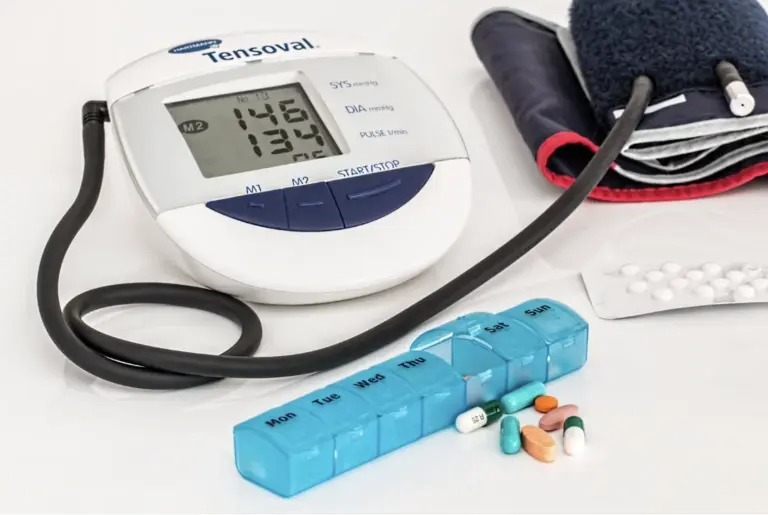
While the blood flow provides oxygen to various body cells and removes carbon dioxide, the difference in its pressure can cause complications in the body. Hypertension is termed as a condition when the blood pressure levels are 140/90 mmHg and above. Ideally, blood pressure has to be maintained at around 120/80 mm Hg. It is a cause of concern if the blood pressure goes above these levels, and is the emergency if it is above 180/110. Although hypertension is a commonly observed lifestyle disease, it is difficult to be diagnosed as it may not show any immediate symptoms. No wonder it is called a ‘Silent Killer’, it may lead to severe conditions like stroke and heart attack if left untreated. The following measures and BP medication can treat high BP or hypertension:
 Regular check-up
- Low sodium and high fiber diet
- Maintaining a healthy weight and BMI
- Regular exercise
- Avoiding smoking and alcohol
- Medications such as diuretics, ACE inhibitors, ARBs, calcium channel blockers, beta-blockers, etc.
 Regular check-up
 Low sodium and high fiber diet
 Maintaining a healthy weight and BMI
 Regular exercise
 Avoiding smoking and alcohol
 Medications such as diuretics, ACE inhibitors, ARBs, calcium channel blockers, beta-blockers, etc.
What is Pseudo Hypertension?
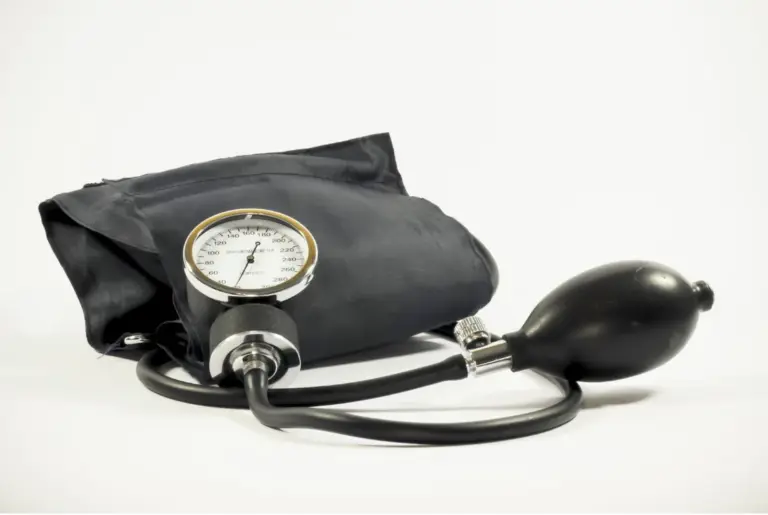
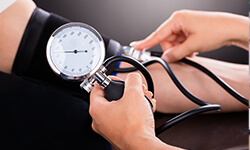
 As the name suggests, Pseudo Hypertension is a condition when cuff blood pressure, measured by a sphygmomanometer, shows an inaccurate and much higher reading than the arterial blood pressure. If not verified, patients with such readings are often diagnosed incorrectly as having hypertension. A patient who doesn’t have high blood pressure, and is given medication to lower blood pressure, is actually at the risk of suffering from low blood pressure. It is, therefore, important for the doctor to carefully diagnose the condition of Pseudo Hypertension before beginning the treatment.
Causes
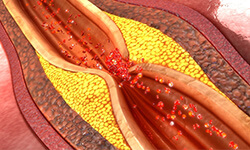 The most common cause of Pseudo Hypertension is the thickening of arterial walls with age. The condition is actually pretty common amongst the elderly. The thickening makes the compression of arteries difficult. It causes stiffness in the arteries, and the cuff meter detects the blood pressure higher than the actual pressure.
Diagnosis
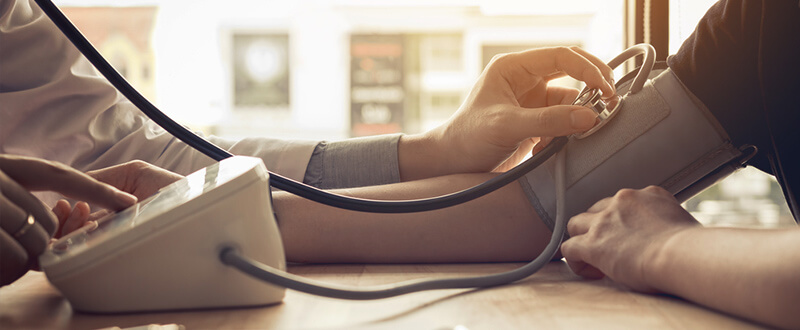
 The variation in the actual blood pressure and the readings through cuff meter or finger blood meter is how Pseudo Hypertension is diagnosed. The Pseudo Hypertension diagnosis is all about finding the target pressure, which is considered for the treatment. If there is a difference in cuff pressure and intra-arterial pressure of the patient, a medical expert will arrive at the diagnosis of Pseudo Hypertension, especially in the following cases:
- If the cuff pressure readings are high, but there is no sign of organ damage.
- When the patient exhibits symptoms of low blood pressure (like dizziness and confusion) after starting treatment for high BP.
Conclusion
 While Pseudo Hypertension is a condition of high blood pressure just like hypertension, its most common cause is the stiffness and blockage in arteries. The treatment is similar to the treatment of high blood pressure, such as changes in lifestyle, eating habits, and blood pressure medication. However, the diagnosis of Pseudo Hypertension needs the expertise and experience of the medical practitioner. It’s therefore advised to visit your doctor or an expert cardiologist regularly to monitor the blood pressure. This especially holds true for senior citizens, and caretakers should keep this in mind.
Note of Caution: This article is for information purpose only. Always consult your doctor in case of any blood pressure or other health-related problems.
Disclaimer
The information contained in this article is to educate, spread awareness in relation to hypertension and other diseases to the public at large. The contents of this article are created and developed by BPinControl.in through its authors, which has necessary, authorisations, license, approvals, permits etc to allow usage of this articles on The Website. The views and opinions expressed in this article are views, opinions of the respective authors and are independently endorsed by doctors. Although great care has been taken in compiling and checking the information in this article, The Website shall not be responsible, or in any way liable for any errors, omissions or inaccuracies in this article whether arising from negligence or otherwise, or for any consequences arising therefrom. The content of this article is not a substitute for any medical advice. The Website shall not be held responsible or liable for any consequence arising out of reliance on the information provided in the article.