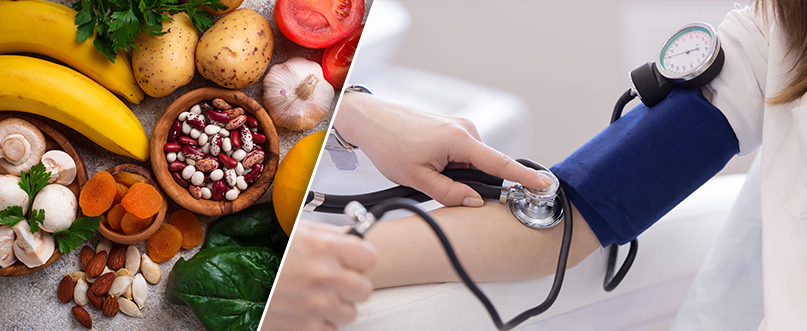
You may have heard doctors and dietitians say, “Eat more potassium to control blood pressure.” But what does that actually mean? Let’s break it down simply.
High blood pressure is one of the most common health concerns worldwide, and diet plays a significant role in its management. Among the various nutrients that support cardiovascular health, potassium stands out as one of the most important.
Let’s understand with an example, your blood vessels as flexible pipes carrying water. When there’s too much sodium (from foods like chips, instant noodles, or processed snacks), your body holds on to extra fluid, making those pipes tighter and raising blood pressure. Potassium helps restore balance, and it reduces sodium’s effect and relaxes vessel walls, allowing blood to flow more easily.
How to Incorporate Potassium in Your Diet?
Understanding the importance of potassium is only the first step. The next step is ensuring that it becomes a regular part of your meals.
Recommended Daily Intake
Most adults require about 3,500 to 4,700 mg of potassium per day, depending on age, lifestyle, and health status. However, athletes, active professionals, or people who consume more caffeine may need slightly more, as potassium can be lost through sweat and frequent urination.
So, potassium should come from food sources rather than supplements. Whole foods contain additional vitamins, minerals, and fibre that work together to support heart health.
Potassium-Rich Foods List
Skip the bland supplement capsules. Mother Nature has already packed potassium into delicious foods, so you can enjoy it without making your diet feel like a punishment. And there is a wide range of everyday foods that provide potassium naturally:
- Avocados: Nutritious and versatile, perfect for salads or spreads.
- Apricots: A light snack with both sweetness and minerals.
- Bananas: The most well-known, quick source of potassium.
- Leafy greens: Spinach, kale, and similar greens.
- Mushrooms: Easy to add to soups or stir-fry dishes.
- Fat-free yoghurt: Also provides protein and probiotics.
- Lima beans: A legume often overlooked but rich in potassium.
- Oranges: Refreshing and high in Vitamin C as well.
- Green peas: Simple to include in everyday meals.
- Potatoes: Best consumed boiled or baked, rather than fried.
- Tomatoes: Works well in sauces, soups, or fresh salads.
- Spinach: Worth mentioning twice for its high content.
- Raisins: A convenient, potassium-rich snack.
Simple Ways to Add Potassium to Your Meals
Now, you don’t need to revamp your whole kitchen to sneak potassium in. A few small adjustments can make a big difference:
- Add spinach to sandwiches for a nutrient boost.
- Mix fat-free yoghurt with raisins or apricots for a potassium-rich snack.
- Enjoy a bowl of tomato and bean soup for a comforting, heart-friendly meal.
- Toss vegetables into a stir fry for a quick and balanced dinner.
How Much Potassium is Too Much?
While potassium is great, it’s not one of those ‘the more, the better’ situations. Overdo it and your body’s like, ‘Whoa, slow down.’ So before you go all ‘challenge accepted’ and try eating 12 bananas in one sitting, remember that there is such a thing as too much potassium.
Your body likes balance. Dumping too much can mess with your muscles and your heart’s rhythm, especially if your kidneys can’t regulate it well. That’s why people with certain health conditions need to be careful.
Symptoms of Imbalanced Potassium
Both low and high levels of potassium can disrupt normal body functions. Some signs of imbalance include:
- Muscle cramps
- Weakness
- Diarrhoea
- Frequent urination
- Dehydration
- Confusion, irritability
- Paralysis
- Abnormal heart rhythm
Risk Factors for High Potassium (Hyperkalemia)
Generally, a normal potassium range is about 3.5 to 5.0 mmol/L. Anything above that is considered high. Levels over 5.5 mmol/L can be concerning, and above 6.0 mmol/L usually need medical attention.
This condition is known as Hyperkalemia, a fancy name for potassium overload. It’s rare if you’re healthy, but risk goes up if you have:
- Kidney problems: Kidneys act like filters; if they aren’t working properly, excess potassium can’t be removed.
- Certain medications: Drugs such as ACE inhibitors, ARBs, or potassium-sparing diuretics can push potassium levels higher.
- Too many supplements: Extra pills or powders without medical advice can raise potassium levels too quickly.
- Other health conditions: Issues like uncontrolled diabetes or severe dehydration may also affect potassium regulation.
Wrapping It Up
Potassium-rich foods aren’t just “nice to have” but they’re a must-have in a blood pressure-friendly diet. If you’re looking to keep your BP levels steady, make space for these foods on your plate every day.
Frequently Asked Questions (FAQs)
-
What is the daily recommended intake of potassium?
For most adults, the target is around 4,700 mg per day. Don’t worry, you don’t need a calculator at every meal, but a balanced plate with fruits, vegetables, beans, and dairy usually gets you there. It is a “fuel for balance”, just like your phone needs charging every day, your body runs smoothly when you hit your potassium target.
-
Can I consume too much potassium from food?
If your kidneys are healthy, your body usually does a good job of keeping potassium in check. So, eating a few extra bananas won’t send your BP into chaos. The concern comes with supplements or when kidney function isn’t strong, because that’s when potassium builds up instead of being flushed out.
-
What are the signs of high potassium levels?
High potassium (called hyperkalemia) often doesn’t shout, but when it does, it looks like this:
- Muscle weakness or unusual cramps
- Heartbeats that feel “off”
- Tingling, numbness, or fatigue
It’s not always obvious, which is why it’s better to check in with a doctor if something feels “off.”
-
Are potassium supplements safe for people with hypertension?
Supplements aren’t a quick fix. For many people with high blood pressure, food sources of potassium are safer and more effective. Supplements may be prescribed in specific situations, but only under medical supervision. Without guidance, “extra boost” could backfire and tip potassium levels too high.
Note of Caution
Note of caution: This article is for informational purposes only. Always consult your doctor in case of hypertension or any other health-related problems.
Disclaimer
The information contained in this article is to educate, spread awareness in relation to hypertension and other diseases to the public at large. The contents of this article are created and developed by BPinControl.in through its authors, which has necessary, authorisations, license, approvals, permits etc to allow usage of this articles on The Website. The views and opinions expressed in this article are views, opinions of the respective authors and are independently endorsed by doctors. Although great care has been taken in compiling and checking the information in this article, The Website shall not be responsible, or in any way liable for any errors, omissions or inaccuracies in this article whether arising from negligence or otherwise, or for any consequences arising therefrom. The content of this article is not a substitute for any medical advice. The Website shall not be held responsible or liable for any consequence arising out of reliance on the information provided in the article.