Introduction: Navigating College Life with Hypertension
College life is an exciting blend of academic challenges, independence and a healthy dose of chaos, from back-to-back classes and demanding deadlines to late-night group study sessions and campus social life.
Amidst all this, living with hypertension in college might feel like an unwanted add-on on the plate.t. Like now you’re not just managing class schedules and canteen gossip but you’re also tracking blood pressure, watching your salt intake and dodging stress like it’s your part time job.
But here’s the thing: High blood pressure does not require you to hit pause on your student life in college, it just asks to be a little more intentional. If you have the right habits as well as support, you can manage high blood pressure in college and also feel empowered.
Let’s explore how students with hypertension can effectively stay on top of their blood pressure without missing out on the campus experience.
Managing Stress and Time Pressure in College
Let’s start with the real villain: College Stress.
In the middle of/ in the whirlpool of tight deadlines, relationship drama, social pressure and wondering if your group project partner even exists, it’s a lot to deal with. And chronic stress = BP bomb drops. Rather than attempting to eliminate stress entirely, the goal should be to reduce stress in college in a constructive way.
- Time block your day: Use digital planners to slot time for lectures, assignments, rest and even meals.
- Recognise your “BP bomb” zones: All nighters, an argument with a roommate or a packed 8 am to 6 pm schedule? These moments skyrocket your BP.
- Use stress busters you actually enjoy: Not everyone’s into yoga. Try meme scrolling after a study session, short walks with music or even journaling before bed. Do what works for you.
- Power naps > power trips: A 20-minute nap can reset your body better than a third espresso shot. (Replace your espresso shot with Sabrina Carpenter’s Espresso)
- Try wearable tech: Smartwatches and fitness bands can track your heart rate, blood pressure, sleep and stress levels, helping you spot signs of trouble early.
Takeaway: Don’t just “manage” stress, design your week around protecting your peace.
Once you’ve addressed stress, the next step is to look at what fuels your day, your food and movement habits. After all, learning to manage stress early not only helps now but also builds the foundation for healthier blood pressure as you grow older.
Balancing Diet and Exercise in a Busy Schedule
“You are what you eat” means that if lunch is instant noodles and coffee is your emotional support beverage, then your BP might start giving side-eye.
But don’t worry, managing hypertension in young adults is not about perfection, it’s about small tweaks which can make a big difference:
- Snack smart: Roasted makhana > chips. Banana with peanut butter > donuts.
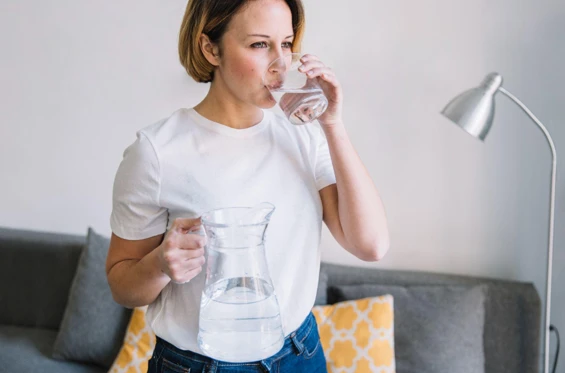
- Hydration over caffeine: Yes, even if the 5 p.m. lecture makes you nap with your eyes open. Water should take priority over caffeine-loaded beverages.
- Move like you mean it: Short on time? Do 15-minute “study breaks” where you stretch, squat, or pace the hostel corridor with flair.
Mini-story: You’ve just pulled an all-nighter and downed three energy drinks. Your brain might’ve made it to the morning test but your BP? It’s probably not celebrating.
Remember: Exercise doesn’t need to be fancy, consistency over intensity is what counts. Regular exercise tips for students with high BP include light cardio, stretching, or even brisk walking.
These healthy lifestyle changes are a major part of the hypertension management tips for students.
And feeling physically better also gives you the mental space to think clearly about something equally important: Support.
How to Find Support and Stay on Top of Your Health
Living with a chronic condition like hypertension, in students, it can feel isolating, especially when your peers may not face similar health concerns. But the truth is, you don’t have to handle this alone.
Here’s how to build your support circle:
- Inform those closest to you: Roommates or trusted friends can help you monitor your well being and spot early warning signs.
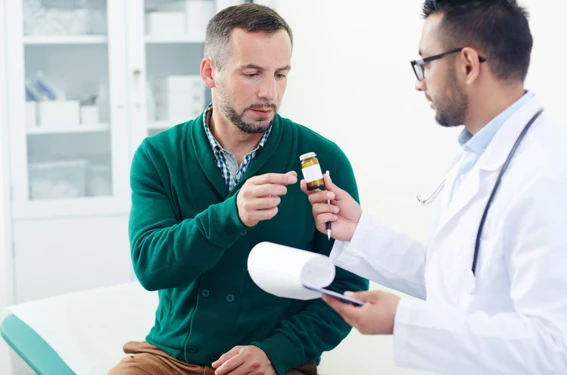
- Campus health services: Most colleges offer free or subsidised BP checkups. Use them.
- Use tech to track: There are BP-tracking apps (like BP Journal or Apple Health) that can send reminders and give you trends.
- Online communities: There are Gen Z-friendly forums and Instagram pages where students talk openly about chronic health stuff.
- Engage in health-related groups: Activities like yoga sessions or walking clubs help foster accountability and self-care.
Reaching out isn’t a sign of weakness, it’s a smart move toward long-term health.
Key takeaway: You don’t have to manage everything alone, shared understanding can make the process far more manageable.
Importance of Regular Checkups and Monitoring BP
Here’s the thing about BP: it loves surprises. And BP spikes aren’t just numbers: they are your body’s way of sending a red alert. Like, one day you’re chilling, the next day doing gymnastics.
Your body helps you catch patterns before they become problems. That is why monitoring your health regularly and monitoring BP at home is important for preventing complications. Below are the steps to stay on top of your health include:
- Get a home monitor: They’re not that pricey and easy to use.
- Set a reminder: Weekly check-in? Monthly doctor visit? Slot it in your planner.
- Use digital tools. Phone reminders or health apps can track readings and medication schedules.
- Track patterns: Morning readings tend to be more accurate. Avoid measuring right after running to class or after a fight with your partner.
Understanding the medical side is helpful but your everyday routines play an equally important role in keeping your BP in check.
With monitoring in place, it’s time to become aware of what triggers these spikes, especially in a college environment.
Your body is always giving you signs; listen to your body.
Tips for Avoiding Common Triggers of High BP in College
There are a few habits that almost every college student has but some of them could silently contribute to rising blood pressure:
- Caffeine overload: 1–2 cups of coffee is okay. But if you add 4 cups of coffee and energy drinks on top, then you’re in the danger zone. Your blood pressure can rise quickly.
- Too much processed or salty food: Instant meals may be convenient but moderation is essential.
- Erratic sleep cycles: Rest is a natural regulator and poor sleep can increase stress and pressure levels.
- Emotional stressors: Relationship drama, academic pressure or personal issues should be acknowledged and addressed.
- Constant screen time: Overuse of phones and laptops, especially late at night, affects sleep and stress levels. Your mom may be right on some levels, being glued to your phone all the time is the reason for all your problems.
We could add links here showing how processed food fuels hypertension.
Awareness is the key, the earlier you notice these triggers, the easier it is to adjust your routine.
Conclusion: Thriving with Hypertension While Balancing College Life
Hypertension in college students does not have to dominate the college experience. With a bit of awareness, a reliable support system, and a routine that includes regular exercise, BP monitoring, and healthy food choices, you are not just managing a health condition but you are future-proofing your life.
With conscious choices and a little consistency, you can attend classes, chase your goals and still enjoy all that campus life has to offer. Just a few mindful lifestyle choices, and it’s a cakewalk.
Disclaimer
The information contained in this article is to educate, spread awareness in relation to hypertension and other diseases to the public at large. The contents of this article are created and developed by BPinControl.in through its authors, which has necessary, authorisations, license, approvals, permits etc to allow usage of this articles on The Website. The views and opinions expressed in this article are views, opinions of the respective authors and are independently endorsed by doctors. Although great care has been taken in compiling and checking the information in this article, The Website shall not be responsible, or in any way liable for any errors, omissions or inaccuracies in this article whether arising from negligence or otherwise, or for any consequences arising therefrom. The content of this article is not a substitute for any medical advice. The Website shall not be held responsible or liable for any consequence arising out of reliance on the information provided in the article.