Introduction: My Journey with Early Hypertension
I thought high blood pressure was something you worried about in your 40s, right after you start complaining about back pain and rising fuel prices.
I never imagined that a routine health check at the age of 24 would flip the script. At 24, I was still figuring out adulting, and I got hit with the “you have hypertension” reality check. At that time, I was used to dealing with deadlines, social media fatigue and occasionally skipping sleep, but not at all with managing a chronic health condition.
That moment became a turning point. It pushed me to take my health seriously and then I decided to take my health seriously, starting with understanding what hypertension in 20s felt like.
The Diagnosis: What Hypertension Felt Like at a Young Age
For the longest time, I brushed off the clues. Persistent headaches? Must be screen time. That weird chest flutter when taking the stairs? Just poor cardio, I thought. Not listening to your body is one of the dumbest things we do.
But the signs were consistent:
- I was constantly tired despite getting enough sleep.
- My heart would race during the most mundane moments.
- Headaches that wouldn’t quit
- Random episodes of anxiety with no clear reason
- That weird whooshing sound in my ears when I stood up too fast
- Sometimes I felt dizzy and thought it was just because I skipped breakfast.
It all came to a head with what I call my BP bomb drop, that is, an uncomfortable conversation where a physician says, “We need to talk about your numbers.” The doctor confirmed it.
Boom! I was diagnosed with hypertension at 24. The word “hypertension” didn’t just sound medical anymore, but it became personal.
I was stunned. Me? The “young and healthy” one? A 24-year-old?
Impact on My Life: Physical and Emotional Changes
Getting the diagnosis felt like being handed a rulebook I didn’t ask for.
While friends were talking about gym plans and new travel plans, I was learning about lifestyle changes for hypertension and long-term health risks.
Physically, I noticed the change immediately. My energy levels were unpredictable. Some days, I’d feel fine; others, I’d be drained by lunchtime. Skipping meals or losing sleep wasn’t something I could bounce back from anymore. Energy, once something I never questioned, suddenly became a limited resource.
Emotionally? It hit harder.
- I felt disappointed in myself, like I had somehow “messed up” my health.
- There was guilt: Had I done this to myself?
- Fear: Is this something I will be dealing with forever?
- And let’s be honest, it did bring some identity crisis: Ain’t I too young for this “chronic condition” club?
It took a while to shift my mindset. I wasn’t jolted, but I just had to start listening to my body more closely and make conscious choices. It’s strange how something as invisible as blood pressure can affect how you see yourself.
And for a while, I didn’t know where to begin. But eventually, I realized that the change had to start with what I could control: My Habits.
How I Adjusted My Diet and Exercise Routine
My first instinct after the diagnosis was to Google everything. Because after the diagnosis, I couldn’t just “hope for the best” while gulping instant noodles at 2 a.m.
The second thing my doctor and I discussed was lifestyle modification. It turns out, hypertension isn’t just about what you eat but it’s about how consistently you support your body.
Changes I Made to My Diet
Changes I Made to My Exercise Routine
In the kitchen:
- Less salt, more herbs: I ditched processed food and learnt to love garlic, lemon and chilli flakes.
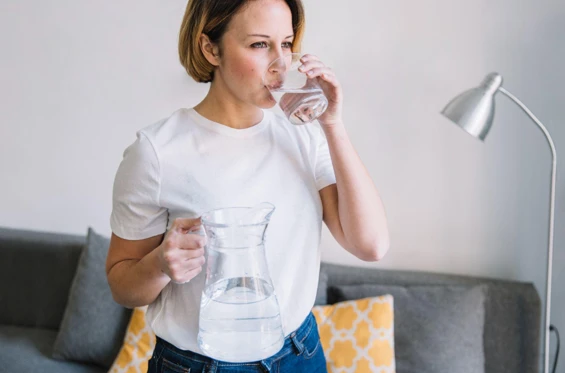
- Water became my new bestie. Goodbye sugary sodas.
- Reduced sodium intake by cutting out processed and packaged foods
- Increased my vegetable and whole grain consumption
- Replaced sugary drinks with water, herbal teas and low-sodium juices
- Focused on balanced meals rather than skipping and bingeing
In terms of physical activity:
- Walks became my friends. Nothing fancy but just 30 minutes of consistency.
- Added moderate strength training twice a week
- Focused more on consistency than intensity, no pressure to “go hard” every day
Was it easy? No!
Did I miss late-night pizza? Every time!
There was no overnight transformation but these gradual changes helped stabilise my blood pressure and more importantly, helped me feel better overall. Worth it.
But even with all these physical movements, one aspect needed just as much attention: My Mental Health.
Mental Health: Coping with Hypertension at a Young Age
Nobody talks enough about the mental stress of living with high blood pressure in your 20s, especially when it feels like it doesn’t belong in your age group. You are the odd one out.
So managing high BP at 24 isn’t just about diet or exercise, but also about the psychological shift of having a chronic condition.
There were days I felt isolated and genuinely questioned myself:
- Did I mess up my health too soon?
- I googled every symptom.
- Why am I even dealing with this at this age?
- Is this what the rest of my life is going to look like?
- I avoided check-ups out of fear of bad news
Eventually, I realised that trying to carry it all on my own was making it worse. I needed support and that started with taking care of my mental health.
Here’s what helped me cope emotionally:
- Speaking with a therapist gave me mechanisms to process the guilt and anxiety I did not know how to deal with.
- Journaling, even just a few lines a day, helped me identify emotional triggers and patterns
- Opening up to friends helped ease the shame and reminded me I wasn’t alone
- Taking breaks from doomscrolling because wellness content that’s meant to inspire can sometimes make you feel worse when you’re already vulnerable
Managing hypertension in your 20s isn’t just about blood pressure readings or medication. It’s also about building emotional resilience and that part deserves just as much attention.
Pro tip: Don’t scroll your stress away. It doesn’t work.
As I began to take care of my mental health alongside my physical, I started to feel more capable and clear headed. Over time, I collected small but powerful insights and these are the lessons I wish I’d known from day one.
Key Takeaways for Others Facing Hypertension at a Young Age
If you’ve recently been diagnosed with hypertension and you’re in your 20s or 30s, you’re not alone.
If you’ve just been diagnosed or are worried you’re heading in that direction, know this: it’s not the end of anything. But it is the beginning of something more intentional.
Here are the key takeaways from my journey:
- Early doesn’t mean rare: Hypertension can affect people in their 20s. It’s more common than you think.
- Your habits matter: Small, consistent changes, such as daily walks, reducing salt intake and improving sleep, add up.
- You don’t have to do it perfectly: It’s okay to have cheat days, slow weeks or moments of frustration.
- Medication is not a weakness: For some, it’s necessary and for me, it provided structure and support.
- Listen to your body: Fatigue, headaches and mood swings aren’t just random. They’re signals worth paying attention to.
The more I focused on progress instead of pressure, the easier it became to maintain a healthier routine.
Conclusion: Hypertension Doesn’t Have to Control Your Life
Getting diagnosed with hypertension at 24 wasn’t easy. It disrupted my sense of normalcy, prompting me to confront uncomfortable truths and forcing me to change long held habits.
But it also gave me something valuable: Clarity.
Today, I live more intentionally. I take care of my body not out of fear but out of respect. I attend my check ups, take my medication as needed and yes, I still enjoy my life. I just do it with a little more balance.
If you’re going through something similar, know this: your condition doesn’t define your future. With the right support, awareness and consistency, you can live life fully and even with hypertension in your twenties.
Disclaimer
The information contained in this article is to educate, spread awareness in relation to hypertension and other diseases to the public at large. The contents of this article are created and developed by BPinControl.in through its authors, which has necessary, authorisations, license, approvals, permits etc to allow usage of this articles on The Website. The views and opinions expressed in this article are views, opinions of the respective authors and are independently endorsed by doctors. Although great care has been taken in compiling and checking the information in this article, The Website shall not be responsible, or in any way liable for any errors, omissions or inaccuracies in this article whether arising from negligence or otherwise, or for any consequences arising therefrom. The content of this article is not a substitute for any medical advice. The Website shall not be held responsible or liable for any consequence arising out of reliance on the information provided in the article.